Click Thumbnails to Enlarge
TIPA Camera Test Online: Sony SLT-A77
By TIPA
Cameras
11 October 2011 12:00
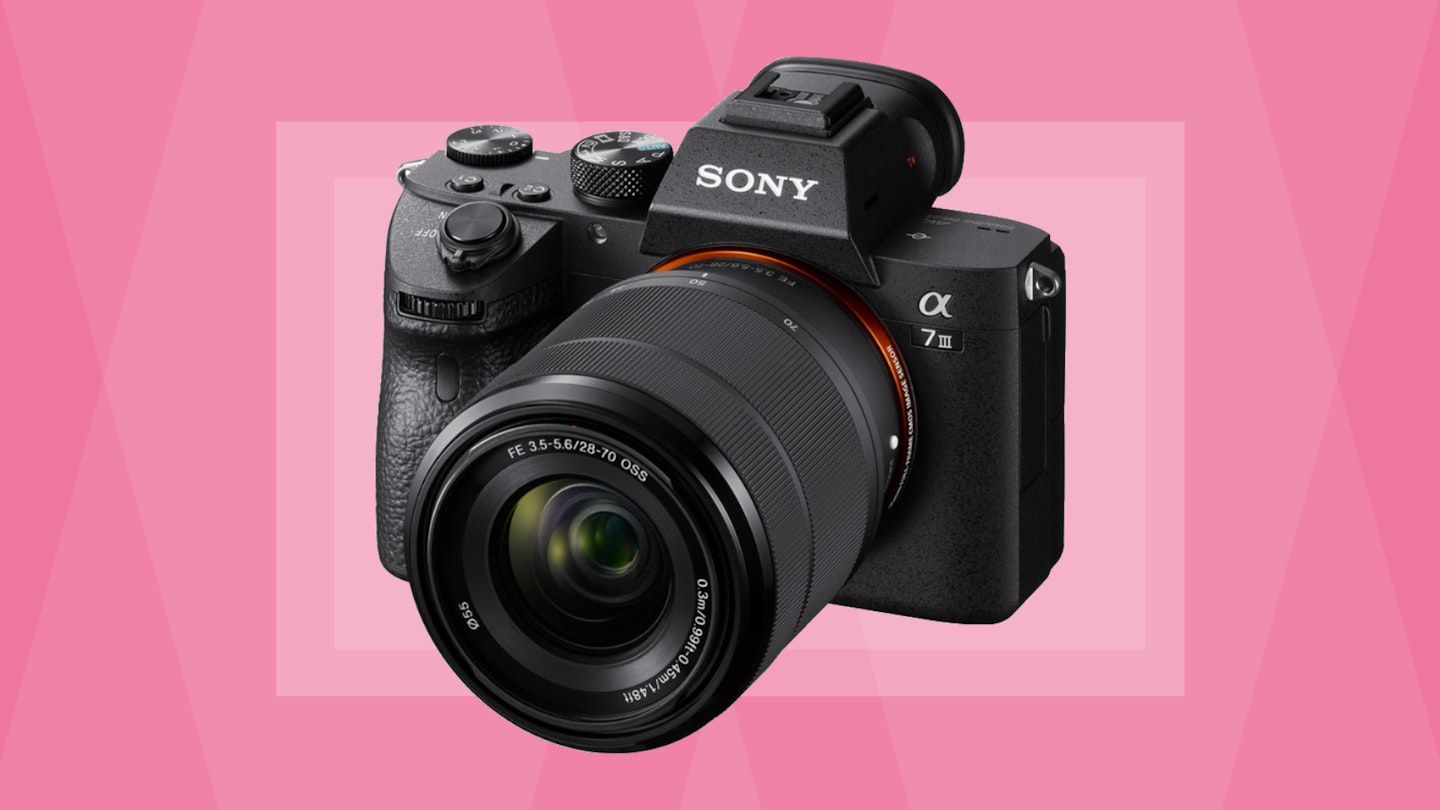
The Sony SLT-A77 is the newest SLT camera and offers a remarkable resolution for a camera with an APS-C sensor. The camera is able to shoot up to 12 frames per second in full 24 MP resolution, has an extreme fast AF-system, is able to record Full HD video and is equipped with a lot of hi-tech features.
Comments on Handling
The Sony SLT-A77 is the new SLT-flagship and top of the line product amongst digital system cameras with APS-C-sized image sensor. The camera offers a nominal resolution of 24 MP (6000 x 4000 pixels) and is extremely fast. The large, robust body features a rubber coating which offers the photographer a reassuring grip.
The camera is extremely fast - due to its new image processor unit it is able to record up to 12 frames per second in full resolution. The image buffer allows a maximum of 13 shots, so every single fast image sequence is only a little longer than 1 second. Nevertheless you will be very impressed when you are shooting your first Sony A77 image sequence.
It’s an SLT system camera with the fixed semi-translucent mirror and its phase-detection system, which works continuously even while shooting images, will track the most important object in the scene and setup the right focus setting in (most) cases. During our tests we shot nearly 1000 images in burst mode and very difficult scenes. In every sixth sequence we found some images which weren’t perfectly in focus. But this depends on the background scenery.
Nevertheless there are some drawbacks: to take image series with 12 frames per second the photographer has to choose a special mode on the mode dial. In this mode the camera uses automatic exposure and ISO speed settings. If you are using S, A or M mode you have to switch into burst mode with the burst mode/self-timer button on the top right in front of the status LCD. In this mode the camera will take 8 frames per second, but in this case the photographer is able to change aperture or shutter-speed settings manually.
For most of the menu settings the photographer has to use the joystick right beside the LCD screen. This joystick reacts extremely fast, so sometimes image parameters or menu items are changed which weren’t intended to be modified. This behavior needs a little practice.
The camera is able to record Full HD video and supports the new AVCHD 2.0 standard; therefore it is able to record up to 50 frames per second with 1920 x 1080 pixels without any interlacing problems. A stereo microphone is located on the top and the camera got an interface for an additional microphone.
The new ELV monitor with 2.3 million RGB dots is absolutely brilliant and tops the Panasonic ELV with 1.4 million dots by far (in Panasonic GH2 for example).
Test shots

Click image to enlarge.
The camera showed a very good performance in the reproduction of fine details such as the hair structure for example. There is nearly no color moiré visible
.

Click image to enlarge.
The Sony A77 reproduced the standard test-box with a very good differentiation of red nuances as you can see in the red spool in the upper right. There is a little colour shift which causes a yellow touch. Just like in the portrait shot the automatic exposure system selected a very conservative setting which causes a little under exposure.
Comments on Image Quality
Colour:
The automatic white balance showed a shift into the green and yellow area. This is clearly noticeable in the portrait shot and in some minor way in the test-box shot. In this shot the effect is increased by under exposure in the automatic P-mode and with activated (per default) face detection. The GretagMacbeth chart was reproduced with very exact saturation values (101.6 percent) which is nearly perfect even for a professional SLR system. The colour errors are on a low level, only red nuances are boosted by higher yellow rate (as usual in images taken with Sony cameras). The skin-tones are very fine - you will get perfect nuances in the portrait shot when converting the raw version of the portrait.
Sharpness:
The camera showed an average performance in the tests. The camera gained a maximum of 3043 lines per picture height by a nominal resolution of 4000 lines per picture height. Nevertheless the images are rich of details as you will see in our standard test-box or the portrait shot. The structure of the hairs is nearly free of colour moirés and the differentiation of red colors is extremely good as you will notice in the red spool in our standard test image. All tests were done with the new 16-50mm f1:2.8 lens system which showed a better performance than the 18-55 standard kit-lens (by 200 lines per picture height higher results) and are based on the JPG files. Using the raw mode and converting these images with a little more aggressive USM filtering in Adobe Lightroom created images with nearly 3500 lines per picture height.
Noise:
The camera showed a very good performance in our noise tests. Up to ISO 1600 the luminance noise stays below y-factor 1.0 and under 2.0 up to ISO 12800, which is a good result for a camera with APS-C sized sensor. Even colour noise is very well controlled: images taken with ISO 6400 are still looking very good, while images taken with ISO 12800 will show typical anti-noise filtering artifacts which look like an “Impressionist” effect filter.
Opinion
Pros:
+ extremely fast camera with up to 12 frames per second in full resolution (24 MP)
+ SLT system for very fast AF in burst mode
+ massive and robust body is weather sealed
+ very good Full HD video capabilities
+ swivel-monitor with high resolution
+ ELV with extreme high resolution (2.3 million RGB dots)
+ a lot of additional features (3D panorama etc.)
Cons:
- extreme burst mode only with automatic exposure settings
- resolution result only on an average level
To download the PDF specifications sheet for the Sony SLT-A77, click HERE.
About TIPA
The Technical Image Press Association (TIPA) is a non-profit oranisation made up of a worldwide family of independent photo & imaging magazines with the most expert editors.
TIPA uses BetterNet GmbH in Heidelberg, Germany to perform routine digital camera tests based on an independent and objective testing method. The TIPA sponsored tests range from small compact cameras to popular DSLRs and even up to high-tech medium format models.
For more information on TIPA, its members and the annual TIPA Awards, visit www.TIPA.com.