Click Thumbnails to Enlarge
TIPA Camera Test Online: Sony NEX-5N
By TIPA
Cameras
10 November 2011 14:00
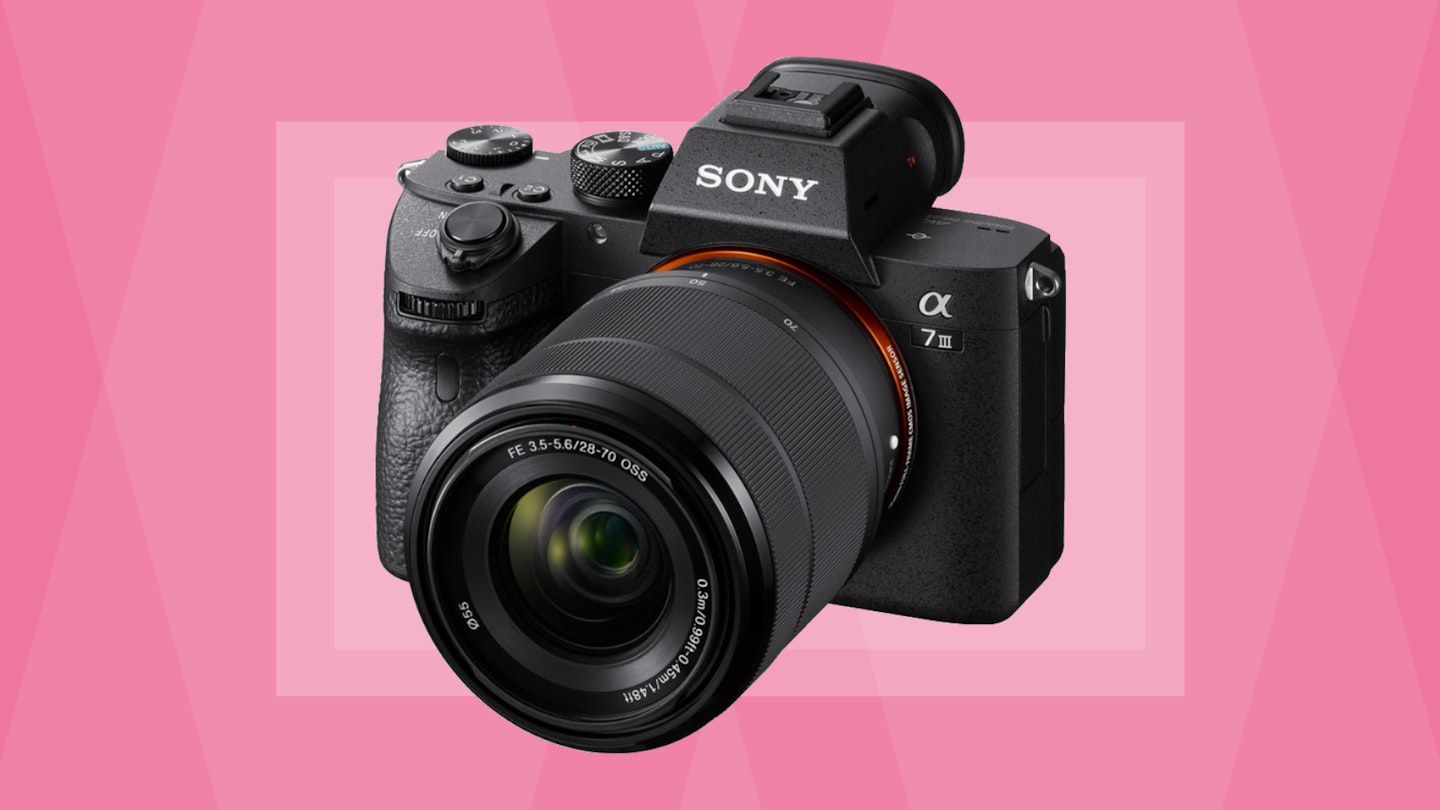
The new Sony NEX-5N has a new sensor with 16MP resolution and a new AF-system. It can take standard images with high resolution, panoramic shots (even in 3D) and Full HD videos. The camera is very compact and light weight.
Comments on Handling
At the end of September 2011 Sony introduced a couple of new digital cameras. Besides the new SLT flagships A77 and A65 Sony rolled out two new NEX cameras (CSC systems): The NEX-5N and the NEX-7. The NEX-5N is the successor of the NEX-5 and has a lot of similar features, but also some new properties. It has a new image sensor with a higher resolution (16MP instead of14 MP) and a new and very fast AF-system. The NEX-5N is still a very compact and stylish CSC-camera, although its design maybe topped by the new NEX-7 which will be available in the next few months.
The NEX-5N has a very thin body with a bulky grip which contains the rechargeable battery and the flash card. The camera is able to use Sony’s MemoryStick (Duo) and all SD-cards like SD, SDHC and SDXC.
The camera has a large LCD monitor in the back which is touch sensitive. This swivel monitor allows for comfortable handling and makes setting up the basics of the camera easy. Nevertheless, photographers who like to use function elements for every single parameter (ISO speed, AF mode etc.) won’t like this system at all. Some functions or parameters of the NEX-5N are hidden in the menu - for example the ISO speed settings aren’t listed in the camera setup menu but in the “Brightness/Color” menu.
The camera is able to record Full HD video with 1920 x 1080 pixels. It uses the new AVCHD standard which allows the user to shoot 50 frames per second in progressive mode and uses higher bit rates (up to 28 Mbit/s) for better video quality. In addition the NEX-5N is able to shoot panoramic images - even in 3D! It is very simple to shoot standard Sony panoramic images and 3D images - the user just has to pan the camera around while the NEX-5N will take a series of images and create panoramas and depth information by analyzing and combining the image series.
Test shots

Click image to enlarge.
The automatic exposure system causes a little underexposure in the portrait shot. Skintones are fine, even if there are some areas with a little too high magenta rate. The sharpness is good, but would be better with the Sony prime lenses (shot was done with the kit lens).

Click image to enlarge.
The Sony NEX-5N showed a good reproduction of our standard testbox, even if the image is a little under exposed (just like the portrait shot). Therefore the colours look a little oversaturated, especially red tones, which are boosted with higher magenta and yellow rates. This red colour boost is typically for Sony cameras.
Comments on Image Quality
Colour:
The camera showed a good performance in our colour tests. Images taken in daylight conditions will show a slightly warmer touch (instead of cooler colours taken by cameras like the Panasonic MFT systems for example). The GretagMacbeth test chart was reproduced with a slight shift into green and yellow tones – especially in light grey colours. This is also noticeable in our portrait test shot and the standard testbox shot. Brighter skintones have a higher magenta rate, as you will notice in the portrait shot in some skin areas of the model’s face and décolleté.
Sharpness:
The limiting factor for our result test was the kit-lens. The camera gains a maximum resolution of 2291 lines per picture height which is a low result for a camera with a nominal resolution of 3264 lines per picture height. Beside the limiting kit-lens the camera uses an intense JPEG-compression which causes an additional softening of the images. Maybe the camera uses an additional smooth filtering to avoid chromatic aberration effects caused by the kit lens. Using a better lens system (Sony Zeiss lenses) and raw mode would help to increase the resolution results by may be at least 300-400 lines. Nevertheless the images taken with the NEX-5N have a nice look with adequate/sufficient sharpness. Due to the slight soft look there are nearly no color moirés or anti-aliasing effects visible in the portrait and in the standard testbox shot.
Noise:
The results in our noise tests are very good. Luminance noise remains under 1.0 up to ISO 3200 and is on a low level even in the highest ISO speed settings (up to 25,600). There is also nearly no colour noise noticeable in images taken with ISO 1600 and 3200. In images taken with higher ISO speed settings you will notice acceptable colour noise effects up to ISO 6400 and images taken with ISO 12800 and 25600 are still usable. The maximum dynamic range results are on an average level for digital SLR or CSC cameras. The camera gains a maximum of 10.2 f-stops and it will keep this level in images taken with ISO 100 to ISO 1600. Dynamic range decreases drastically between ISO 12800 and ISO 25600 (8.3 to 6.31 f-stops).
Opinion
Pros:
+ compact and stylish body
+ swivel-monitor with high resolution
+ fast burst mode with up to 10 frames per second
+ a lot of additional features (3D panorama etc.)
Cons:
- fast image burst mode with 10 frames per second, but only short sequences with up to 10 images allowed (due to small image buffer)
To download the PDF specifications sheet for the Sony NEX-5N, click HERE.
About TIPA
The Technical Image Press Association (TIPA) is a non-profit oranisation made up of a worldwide family of independent photo & imaging magazines with the most expert editors.
TIPA uses BetterNet GmbH in Heidelberg, Germany to perform routine digital camera tests based on an independent and objective testing method. The TIPA sponsored tests range from small compact cameras to popular DSLRs and even up to high-tech medium format models.
For more information on TIPA, its members and the annual TIPA Awards, visit www.TIPA.com.