Photo answers review
Photo answers rating 
Features & handling
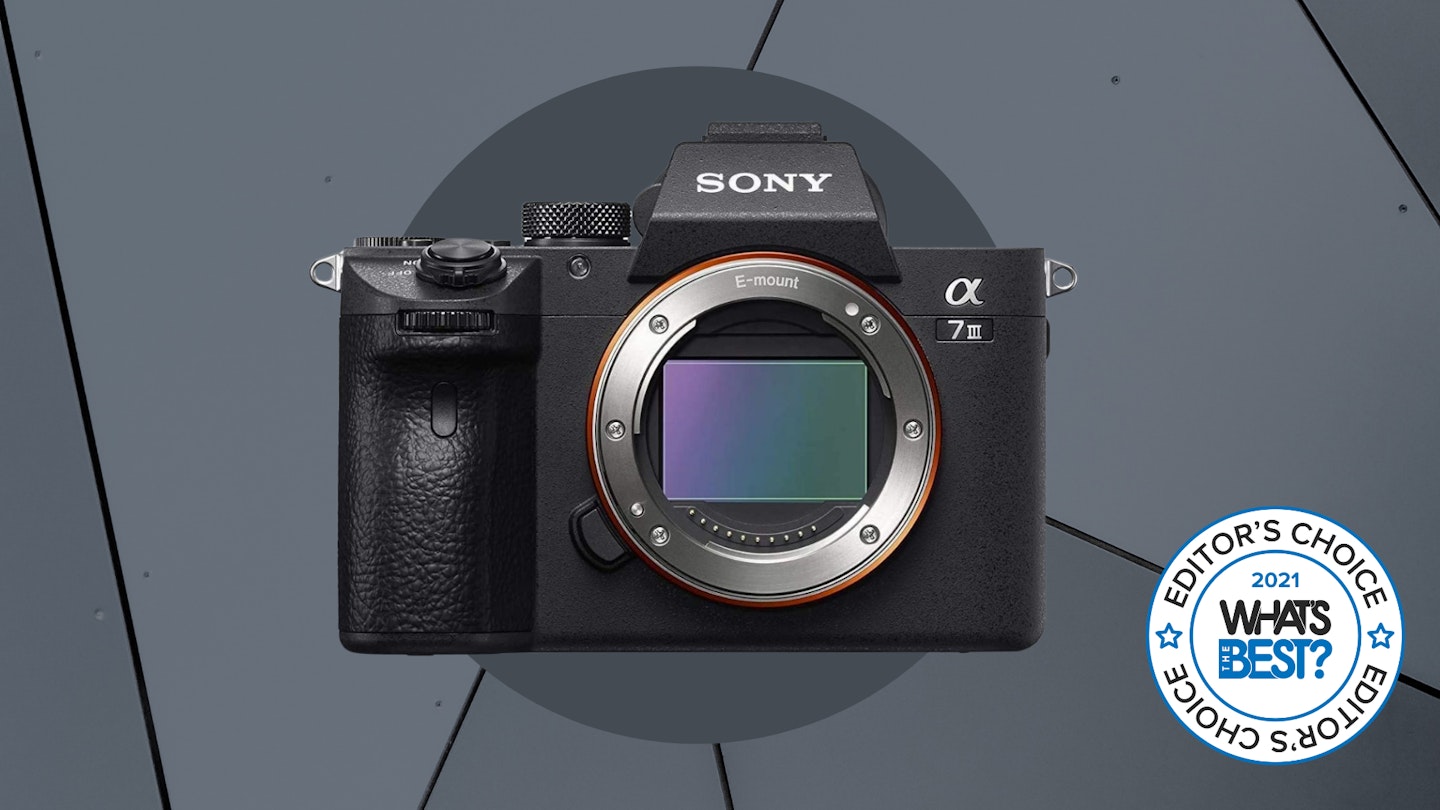
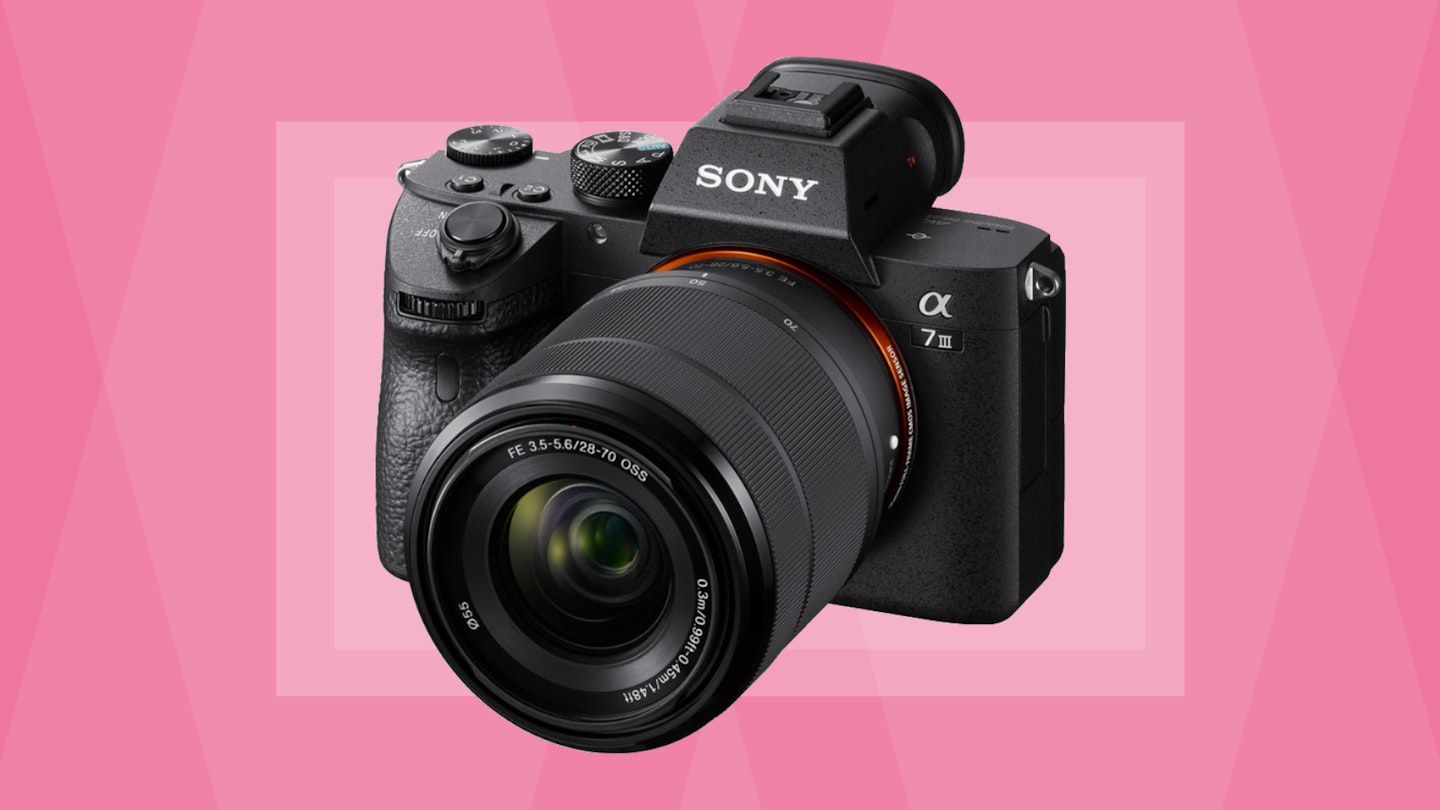
Sony seems to have got it right first time with its new a900 for the working pro or serious enthusiast, and at the right money. The camera looks and feels like a solid, expensive bit of kit. And with a massive 24.6MP full-frame sensor, it delivers results that are hard to match, even by cameras costing twice the price.
But there’s more to a camera than image quality. Handling, autofocus, range of lenses and accessories, ease of use and value for money are all important too. On the surface, the a900 seems to tick those boxes, but potential buyers are likely to be keen enthusiasts who already have an investment in a camera system – probably Canon or Nikon. It’ll be expensive to switch. Besides, professionals are often buyers of the more exotic items in a camera system, but Sony offers no tilt and shift lens, no super-wide 14-24mm f/2.8, no long-focal-length macro lens, no ringflash, no wireless flash commander unit… In time these gaps will be filled, but it’s unlikely Sony will ever catch up with the range of accessories from Canon and Nikon.
More problematic though, is Sony’s unique flash hotshoe. Unless you shell-out £130 for an adapter you’ll have to use Sony’s own flashguns. This is a nightmare in the studio if you want to use wireless triggers. Savvy Sony photographers will buy a cheap adapter from places like eBay for less than a fiver, but it feels a bit of a letdown, not to mention a risk, to be relying on a £5 Chinese-made connector to fire £2000-worth of studio kit.
One thing that Sony has got right is the a900’s handling and ease of use. All the dials and buttons are solid and positioned in the right places. Even without a manual, it’s easy to pick up the a900 and feel comfortable with it right away – apart from the miniature top plate LCD, which is frankly baffling.
The high quality rear screen is much better – menus are easy to navigate, while regularly-used functions such as white balance and ISO have their own buttons, as does Sony’s unique in-camera image stabilisation.
In-camera image stabilisation, dust removal and 100% viewfinder are unique on a full-frame camera; sadly Live View is missing. Using the depth-of-field preview button, the camera takes a quick record shot for you to assess on the LCD that isn’t committed to memory – it’s just for viewing. It’s no real substitute for Live View.
Performance
At low ISO, if you’re shooting landscapes or in the studio, there’s little to match the a900’s image quality and resolution. But with 16% more pixels than rivals like the £4650 Canon EOS-1DS and soon-to-be released EOS 5D Mk II, you’d expect it to be better. Maybe head-and-shoulders better. In fact there’s little discernable improvement between the two. Camera-makers seem to have hit the limit on the number of pixels you can squeeze in to a 35mm-sized sensor. We seem to be at the limit of lens resolution, too.
Verdict
Well done Sony. The firm’s first pro-spec DSLR has the image quality and resolution to match the very best DSLRs from the established brands and at a competitive price. True, it can’t match the high ISO performance or shadow detail smoothness of the Nikon D3, but to be fair, nothing can at any price.
What that leaves is a pro-spec camera, at a price to match similar semi-pro offerings from Canon or Nikon, but without the huge system backup and availability of new and used lenses. And without the kudos of the Canon or Nikon name.
In isolation, the Sony a900 is a great camera. OK, it lacks Live View and the top LCD screen is a pig’s ear, but it has all the nice handling and features of a pro-priced kit and is built to take abuse. Zeiss lenses are a bonus, too. The built-in dust removal system and vibration reduction is great, and the viewfinder and LCD screen are top notch.
It’s a great camera, and could be ideal if you want something that offers fantastic quality and doesn’t have a Canon or Nikon badge on the front.