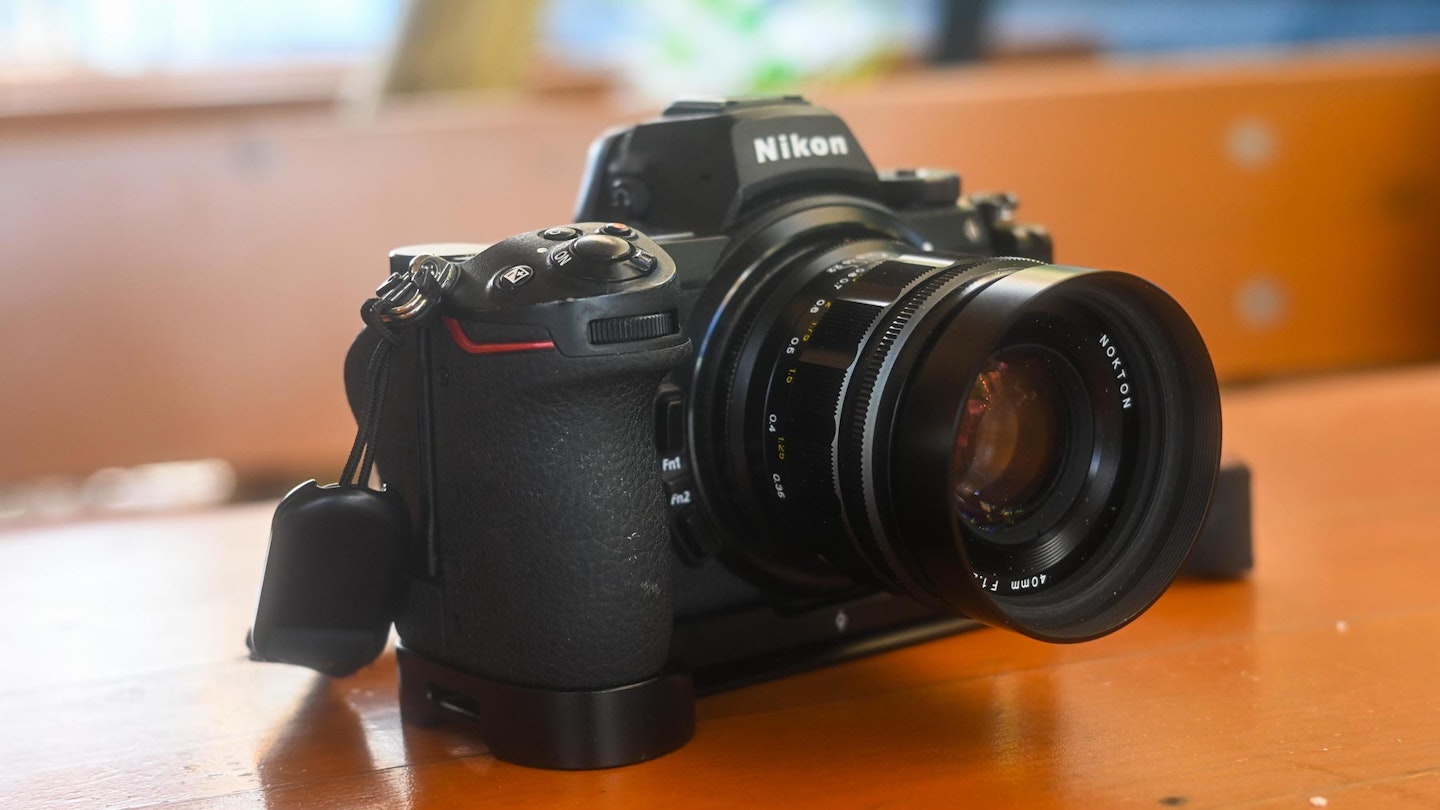
The D700 is Nikon’s second full-frame D-SLR after the ground-breaking D3 and the good news is, it shares many of the same features but in a slightly more compact body. Sharing the same chip as the Nikon D3, the Nikon D700 has a resolution of 12.1Mp but will still allow you to print at A3 without any interpolation. The ISO range is impressive, with a standard range of ISO 200-6400, that can be expanded to an ISO equivalent of 100 (L1.0)-25,600 (H2.0).
Frame rate is a solid 5fps, but if you still hanker after more speed and can’t afford the D3 with its 9fps, the D700 combined with the optional MB-D10 battery grip and EN-EL4a battery (the same as that used in the D3), will see the frame rate increase to 8fps, thanks to the increased juice from the larger battery. It does require that extra outlay, though, so the price gets higher.
The Nikon D700 uses Nikon’s advanced Multi-CAM3500FX 51-point AF system first seen in the D3, with a total of 15 cross-type AF points grouped in the centre, with the remaining points clumped either side. There’s a 3in screen with a 920k dot resolution that supports Live View operation, and you can implement the D700’s Virtual Horizon facility (acting as an electronic spirit-level) to be overlaid onto the Live View image.
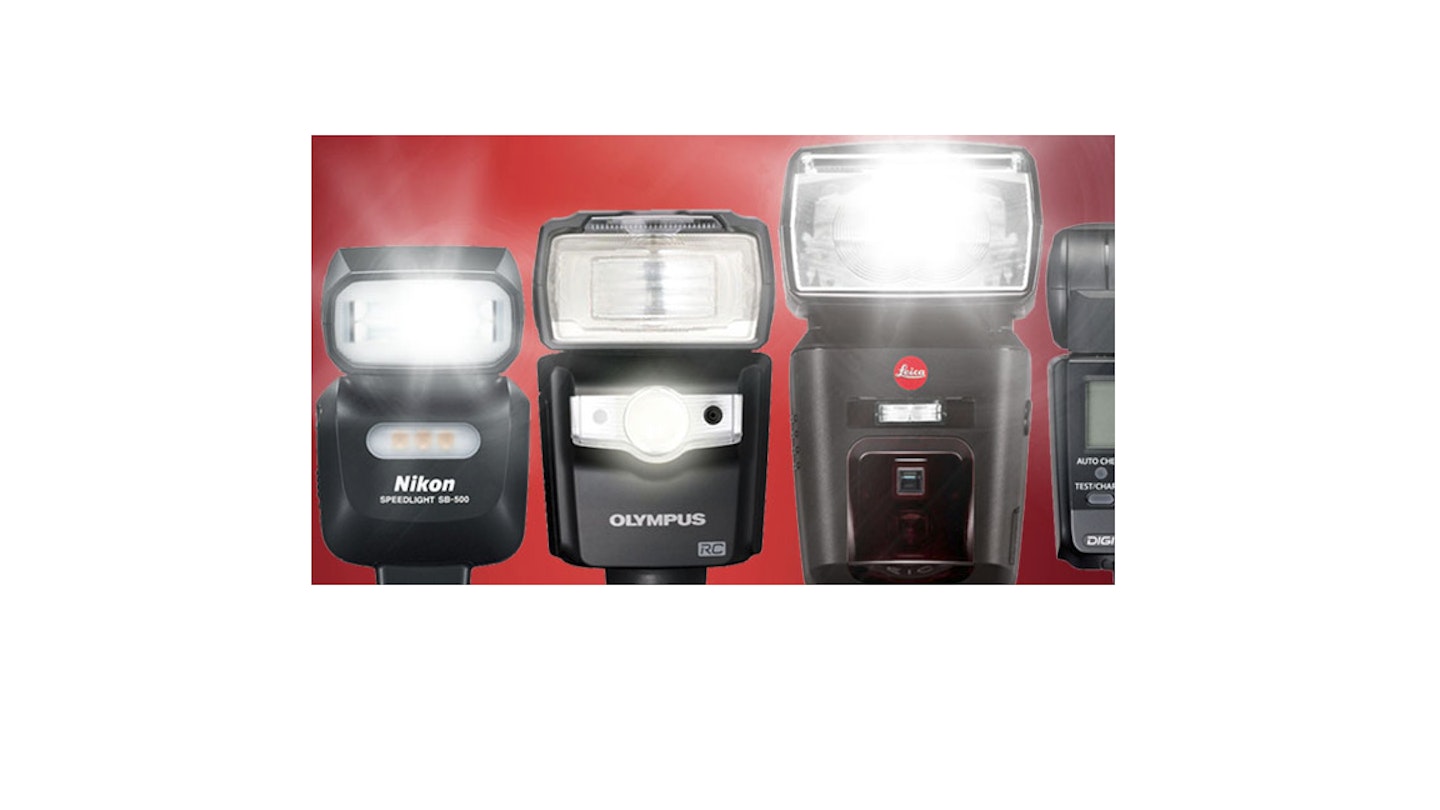
DX (Digital-only lenses) can still be used with the D700, though there’s a drop in resolution to 5.1Mp (due to the reduced coverage on the sensor), while the viewfinder will also display rectangular crop lines. There’s a built-in flash unit as well. With the pop-up flash, it may seem as if its professional credentials have been dented, but not only is it handy for a bit of fill-in, but it’s also useful as a commander unit to control one or more off-camera flashguns.
The Nikon D700 has a real pro-like feel. It can’t quite match the D3, but it’s close and there’s a nicely-sculpted handgrip and a top-notch rubberised finish. Also, the magnesium-alloy chassis has all the weather sealing you’d expect to find on a pro-quality D-SLR.
The AF system is one of the D700’s trump cards – it’s fast and precise, while the Scene Recognition System can detect and track a subject from AF point to AF point just by skin tone alone, marking it out from the other two on test. AF point selection is carried out via the D-Pad, which is also used to navigate quickly around the camera’s comprehensive, but clearly laid-out menu. Core function buttons are peppered round the body of the D700, with everything falling easily to hand. In a nutshell, it’s a real joy to use.
The Nikon D700 may look out of its depth with a resolution that’s almost half that of its rivals, but that’s not the end of it. Prints aren’t a problem up to A2 and you have to ask yourself how many times you plan going above that? The Noise control at very high ISOs is staggering, and it’s this that makes it such a versatile proposition. There’s a comprehensive specification including a sophisticated 51-point AF system and a built-in flash with off-camera command, and this is married to a body that almost matches the build of the tank-like D3. With a street price of around £1739 it needs serious thought before you splash out, but it is an astounding piece of kit.
12.1Mp full-frame sensor www.nikon.co.ukDigital Photo Gold Award