The Nikon D5000 shares the same 12.3Mp resolution as the advanced D90 and semi-pro D300S. The Nikon D5000 also shares the same standard ISO range of 200-3200 as the D90 that can be expanded to an equivalent of 100 (L1.0)-6400(H1.0). As with all Nikon DX-format D-SLRs, there’s a 1.5x crop factor, so the Sigma 18-250mm offers a film equivalent of 27-375mm.
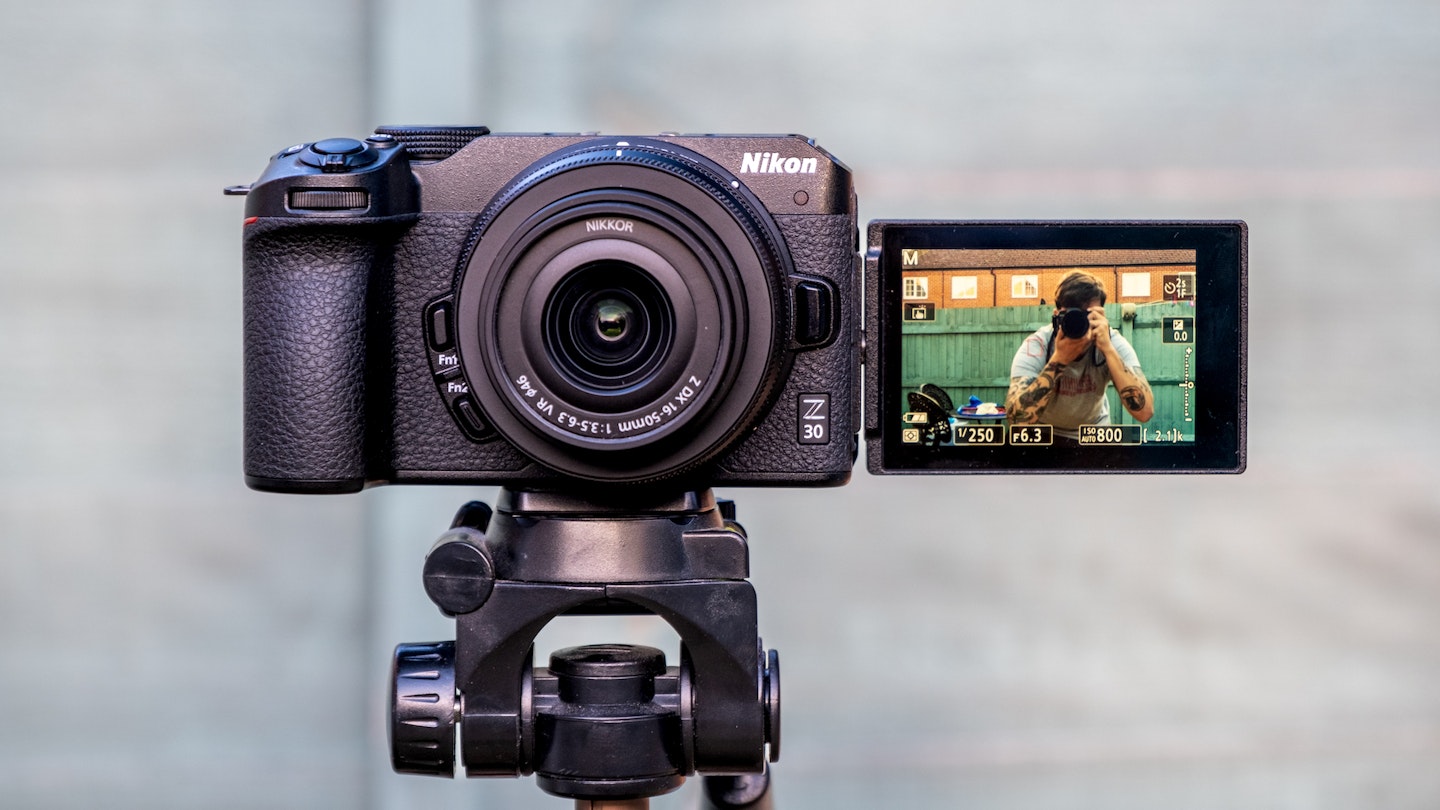
The 11-point AF system is linked into the Nikon D5000 Scene Recognition technology which aids subject tracking across the AF points. There’s also a vari-angle screen at the rear that can be pulled outwards and rotated. This is a handy feature in Live View or when shooting HD video (with a maximum resolution of 1280x720 at 24fps), but the pay-off is the slightly smaller 2.7in screen with a relatively average resolution of 230K dot VGA.
There’s Image Sensor Cleaning that shakes unwanted dust from the sensor and this is teamed with what Nikon term an Airflow Control system. This directs stray dust particles through small vents onto an adhesive strip below.
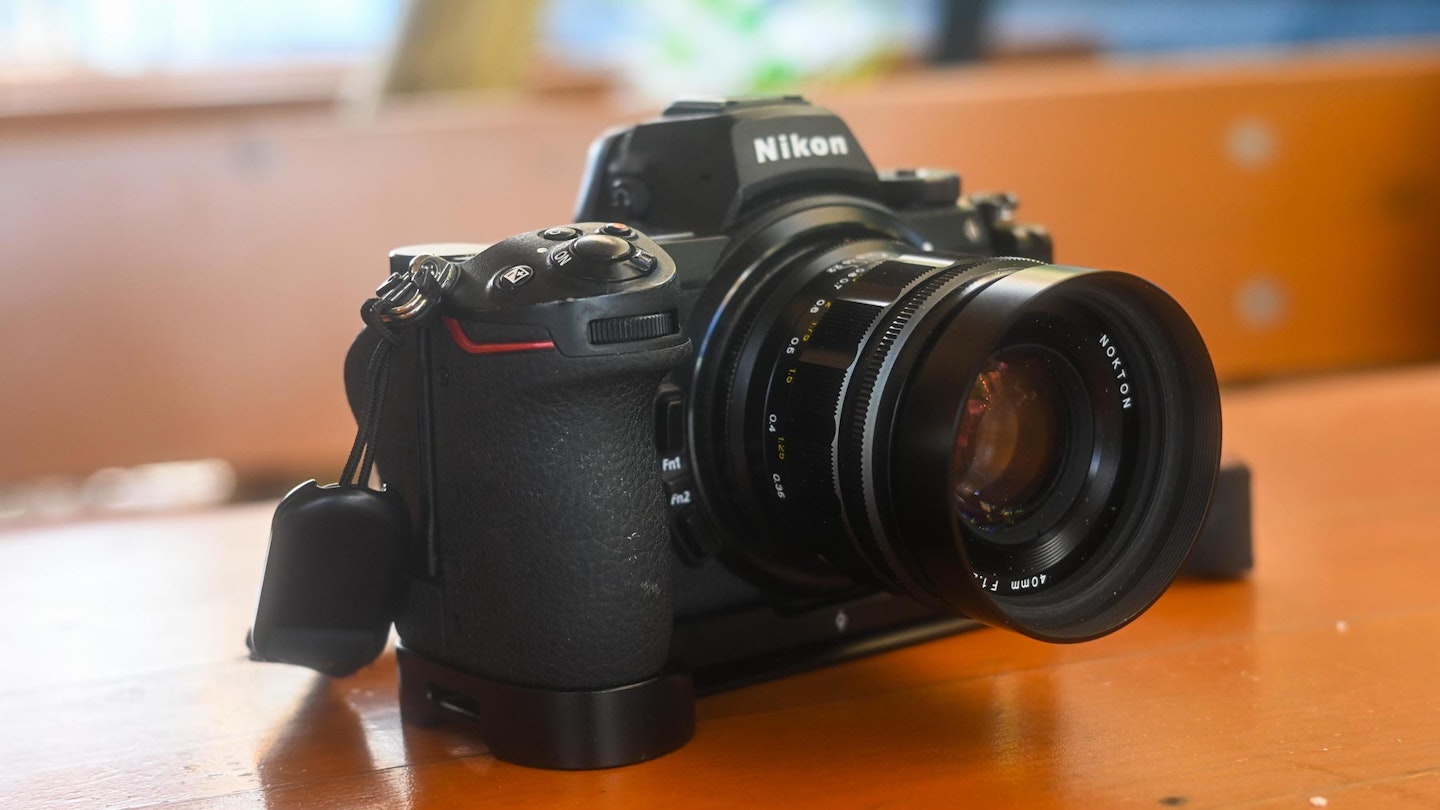
The look of the D5000 follows similar design cues from other Nikon D-SLRs, and although the handgrip is noticeably smaller than other models in the range, it’s still relatively comfortable. There’s a pretty solid feel to the D5000, even with the predominantly plastic appearance, though the rubberised finish round the grip doesn’t quite have the same quality feel.
The Nikon D5000 can manage a maximum frame rate of 4fps, shooting 11 RAW files or an unlimited amount of JPEG files continuously before the buffer needs to be cleared.
The 11 AF points are arranged in a diamond formation and you’ll have to recompose if your point of interest is at the edge of the frame, but overall it works well. Thanks to the D-Pad, it’s very easy to move from AF point to point, and in use the focusing works very well, delivering a solid performance. The 3D tracking facility offered is a very handy addition, tracking your subject from point to point as it moves across the viewfinder.
With minimal buttons on the body, camera controls are set via a quick menu, and the graphical interface is great for those starting out with a D-SLR, with handy Help annotated guides for a range of settings.
www.nikon.co.ukDigital Photo Silver Award