The Canon EOS 550D features a class-leading 18Mp sensor, matching the resolution of the semi-pro EOS 7D and the same impressive ISO range.
The ISO range of the Canon EOS 550D runs from 100-6400 and can be expanded to an ISO equivalent of 12,800 using the H setting – just like the EOS 7D. The 1.6x crop factor of the sensor also means that the Sigma 18-250mm offers a 35mm focal length equivalent of 28.8-400mm.
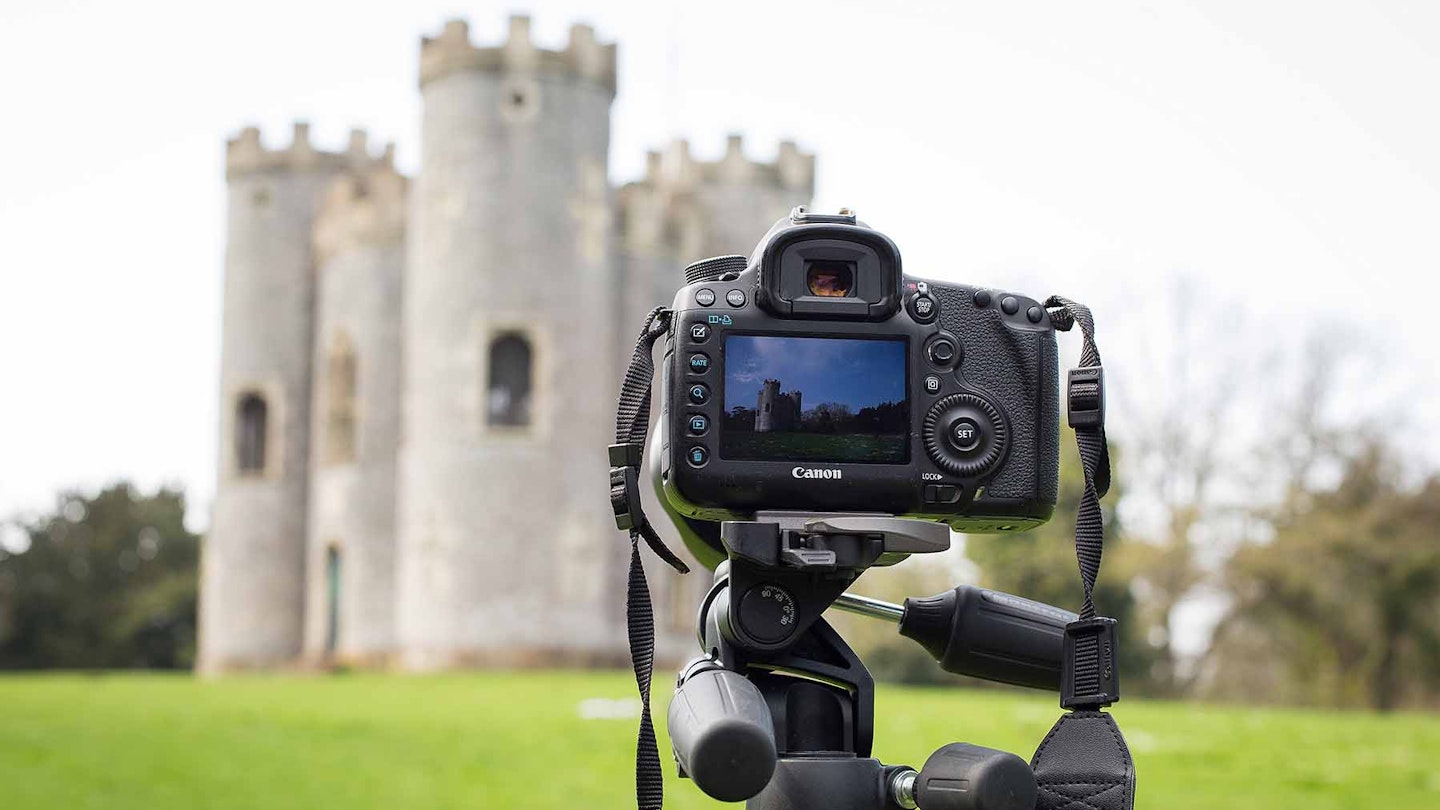
For focusing, the Canon EOS 550D uses the tried and tested 9-point wide-area AF system that’s been seen in a number of EOS models already. More revolutionary is the rear screen – it’s 3in in size, but importantly the aspect ratio is not the standard 4:3, but 3:2 – the same shape as the sensor. The actual construction of the screen has also been rethought and now offers a viewing angle of 160 degrees with an impressive resolution of 1,040k dot VGA. There’s a dedicated Live View button, and the EOS 550D has the ability to record HD video at 1920x1080 at a maximum frame rate of 30fps. Like the EOS 7D, the EOS 550D features the iFCL metering system, using a 63-zone dual layer metering sensor to analyse focus, colour and luminance information. There’s also Canon’s EOS Integrated Cleaning System that uses high frequency vibrations to shake dust from the chip, while Canon’s anti-shake system is lens based, with the EOS 550D relying on the Sigma 18-250mm’s OS to combat camera shake.
Design-wise, the EOS 550D is an evolution of previous consumer-focused EOS D-SLRs, with subtle updates to button arrangement and design. The construction is primarily plastic, but the finish is excellent and is backed up by a stainless steel chassis.
The Canon EOS 550D can shoot at a maximum 3.7fps (frames per second), shooting only 6 RAW files consecutively before the buffer is full. It’s a bit better when shooting JPEGs, shooting 34 files continuously before it slows up, but it’s still the lowest of the three D-SLRs on test.
The 9-point AF system used by the EOS 550D works well – the diamond formation offers a good coverage, though you may have to recompose with subjects at the edge of the frame – while AF-point selection is pretty straightforward, with the command dial at the front used in tandem with the AF selector button to toggle through the AF points. In use, AF acquirement is solid, with minimal hunting, while the viewfinder is clear and doesn’t feel too cramped.
There are dedicated buttons for ISO, White Balance, Drive and Exposure Compensation, which make the EOS 550D fast to use, and a handy Quick Menu button that lets you toggle through and adjust an array of shooting settings quickly.
www.canon.co.uk
Digital Photo Gold Award