Click Thumbnails to Enlarge
Wedding Photography - 10 Top Tips
Techniques
13 January 2010 17:19
Taking on your first ever wedding commission can be an immensely scary prospect. If you’ve recently agreed to photograph a wedding for family or friends, it’s important to know what you need and what’s involved to achieve the best possible pictures on the big day.
We’ve pulled together 10 top wedding tips to help you prepare. Some of the tips you may have never considered so make sure you study them and print them out if you need to for future reference. If you’ve got any extra tips that you think we’ve missed, add them at the bottom of the page in the comments section for our other readers to see!
Early Preparation
The time between the engagement ring being placed on the hand and the wedding day itself can vary from wedding to wedding and it’s important to make early contact with the couple and arrange a meeting at a time and place convenient for both parties. Ask the couple to bring a printed list of all the guests that will be invited to the wedding and request that they split them into two columns - one for the bride’s family and friends and the other for the groom’s. It’s also worth taking your portfolio along to show them some examples of your previous wedding and portraiture work.
Make a note
At this first meeting, go through the list of family and jot down important members such as mother of the bride, father of the bride, as well as brothers, sisters, aunties, uncles and grandparents. It’s a good opportunity to speak to the bride and groom about the family group shots that they would like, so make a rough note of these on a separate piece of paper and type them up neatly on your computer when you’re back home. Don’t forget to take down the location for the wedding and most importantly the postcode. This will help you find it online and on a SatNav,
Make a visit
We all like to be as prepared as we can be, so it’s imperative that you visit the church or location for the wedding well in advance. Make your visit at the same time of the day as the wedding and take your camera with you. You can work out the best photography positions inside and outside and keep an eye open for a large area (preferably outside) that will be suitable for the group shot. Fire off a few test shots indoors and to get an idea of the exposures you’ll be getting on the day.
Hire
After the initial visit to the wedding location, you may find that you don’t own all the photography kit required for the big day. If you need to hire stepladders, lenses, or extra lighting, book them early through a hire company or you may find that you’ll have to work without them and this could make a big difference in your final images.
Enlist some help
You will find that you’re rushed off your feet shooting a wedding and if you’re not actually shooting, you’ll be shifting your kit or lights around. When you’re doing the latter it’s easy to miss out on photo opportunities so it’s really handy to have a spare pair of hands to help you during the day. Take along a friend to help or alternatively, speak kindly to the best man and ushers whose job it is to make sure the day runs smoothly and you should find they’ll usually be more than happy to help you.
Know your kit inside out
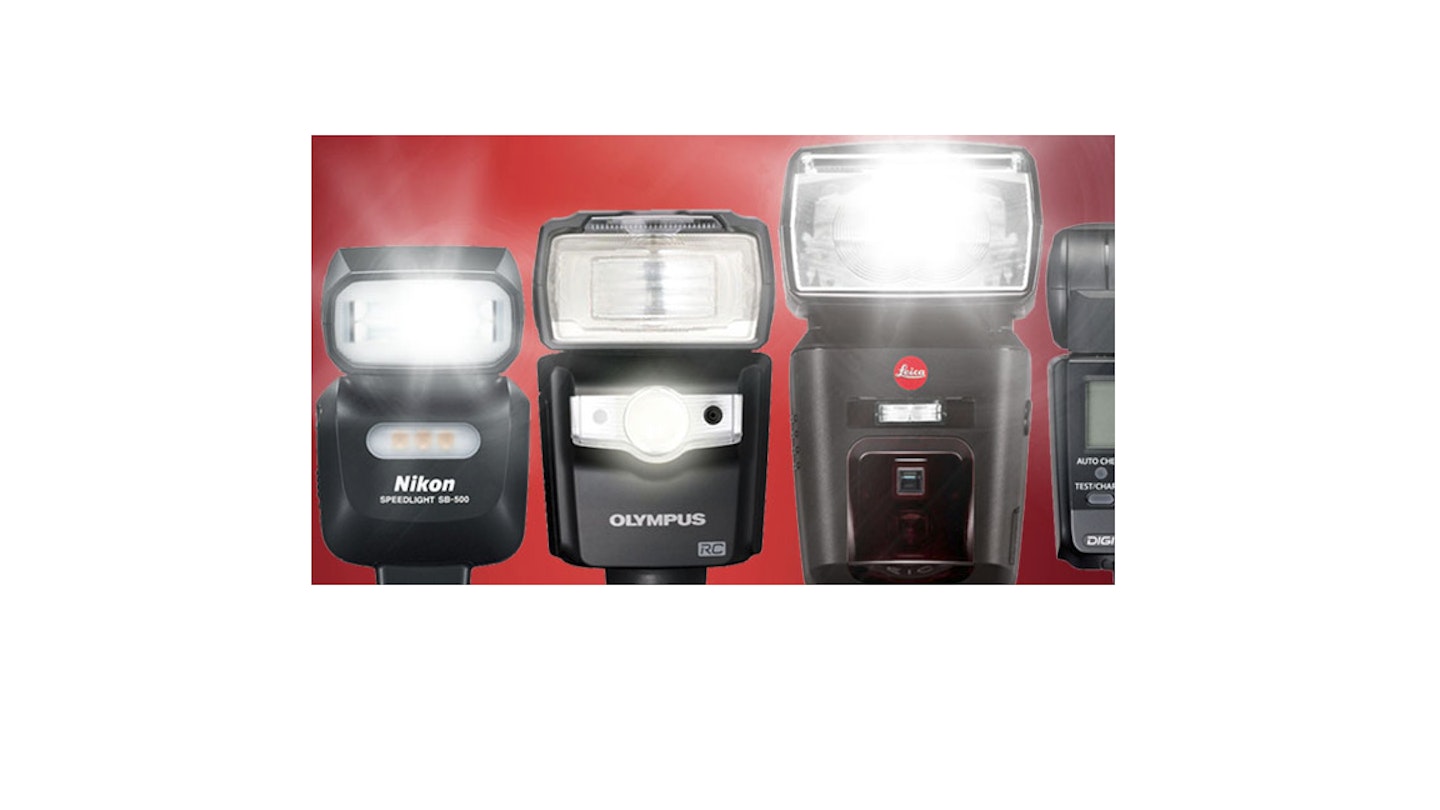
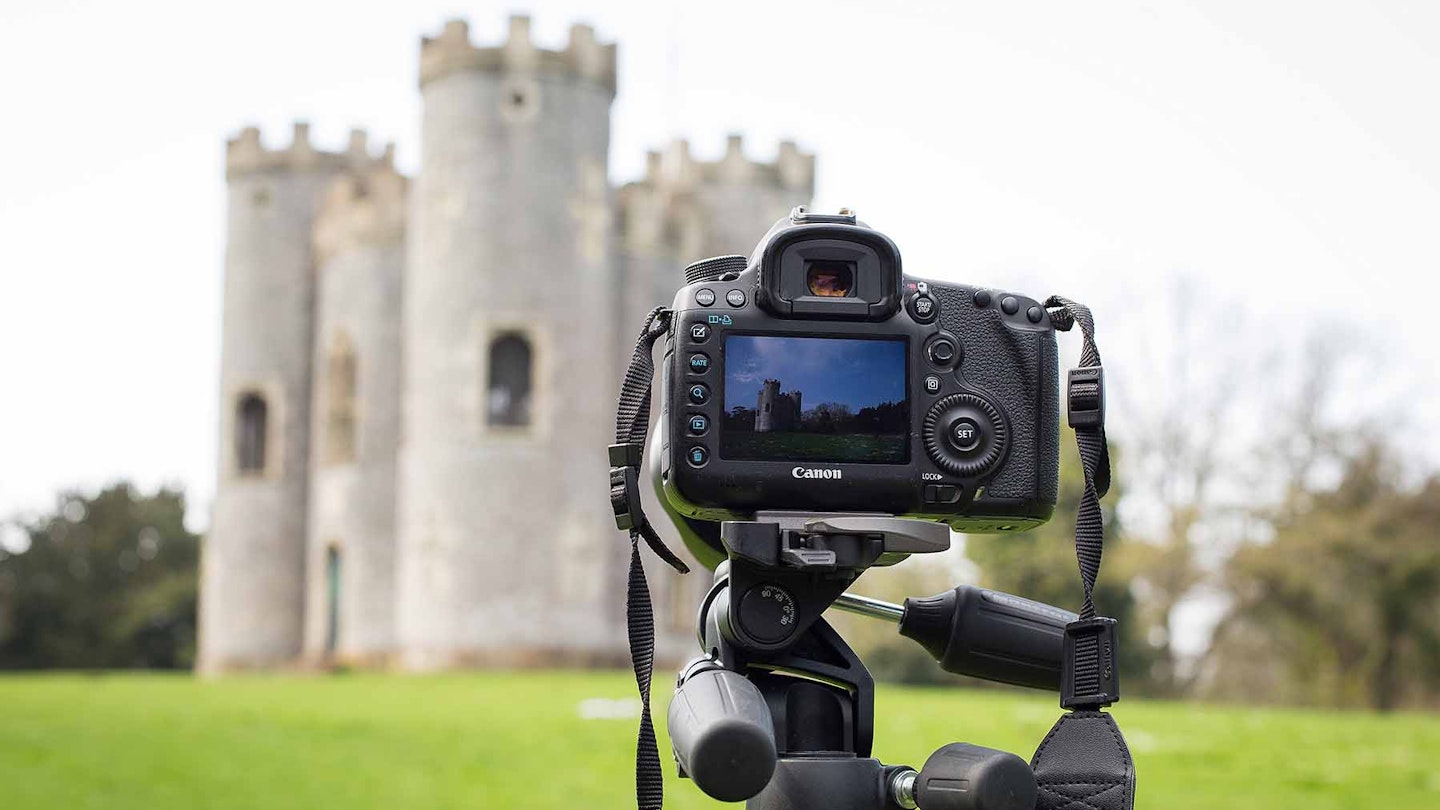
There’s never time to learn how photography kit works on a wedding shoot, so it’s absolutely vital that you understand how all your kit works before you use it. If you’re not entirely sure about flash settings or remote flash, watch a few videos on photoanswers or seek extra advice in Practical Photography or Digital Photo Magazines. If you have any new products that you plan to use, try them out a few times before using them for real on the wedding day. Remember, failure of kit is not an option!
Two bodies
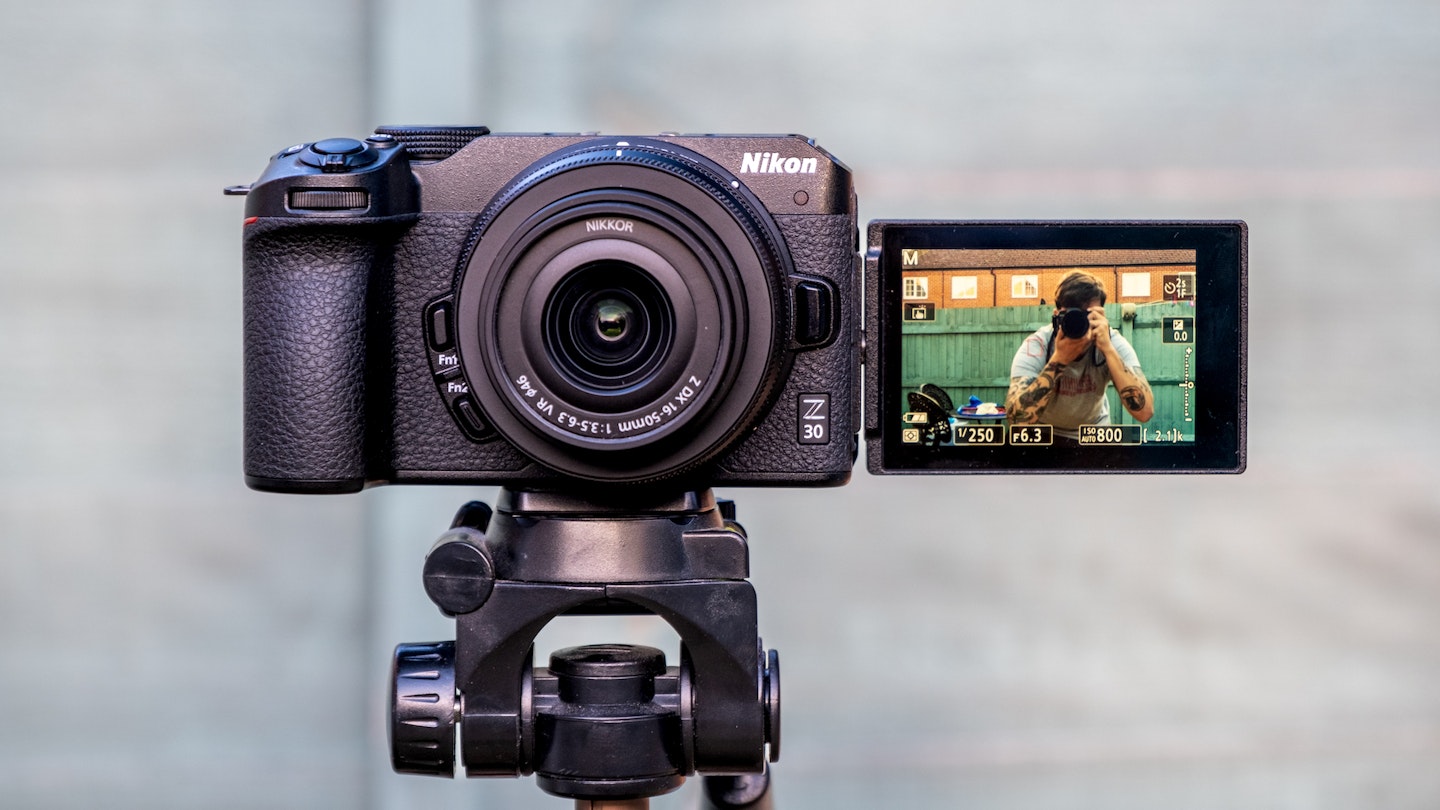
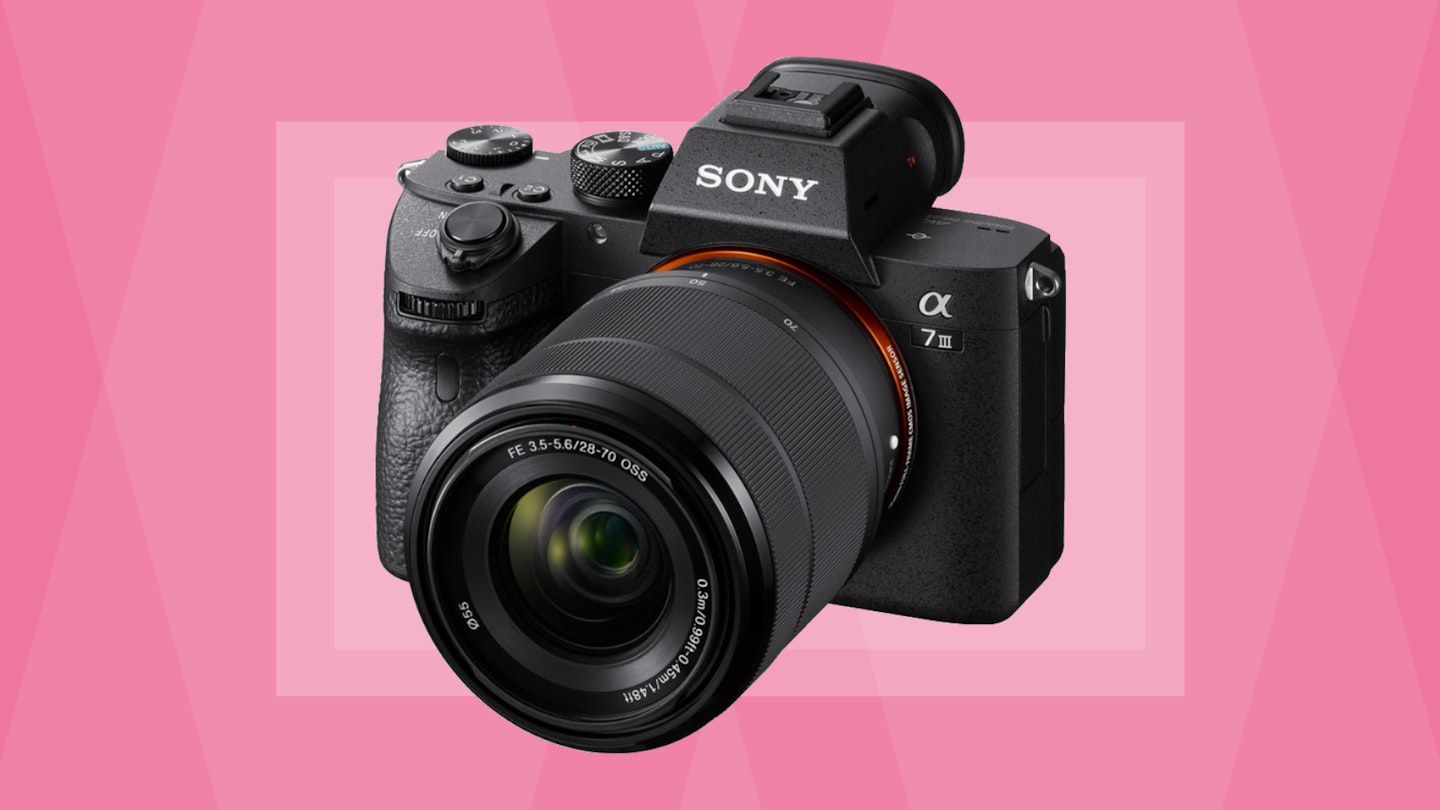
If failure is not an option, you can’t afford for your D-SLR to let you down. Even if you have no problems with your D-SLR and it’s regularly serviced, you MUST carry a second body in your bag – the day you don’t is the day your D-SLR will pack up. Not all of us can afford a second body, so if this is the case, ask close friends or family to see if you can borrow one for the day. It’s highly unlikely to be used, but make sure you have compatible memory cards and batteries for it just in case.
The night before
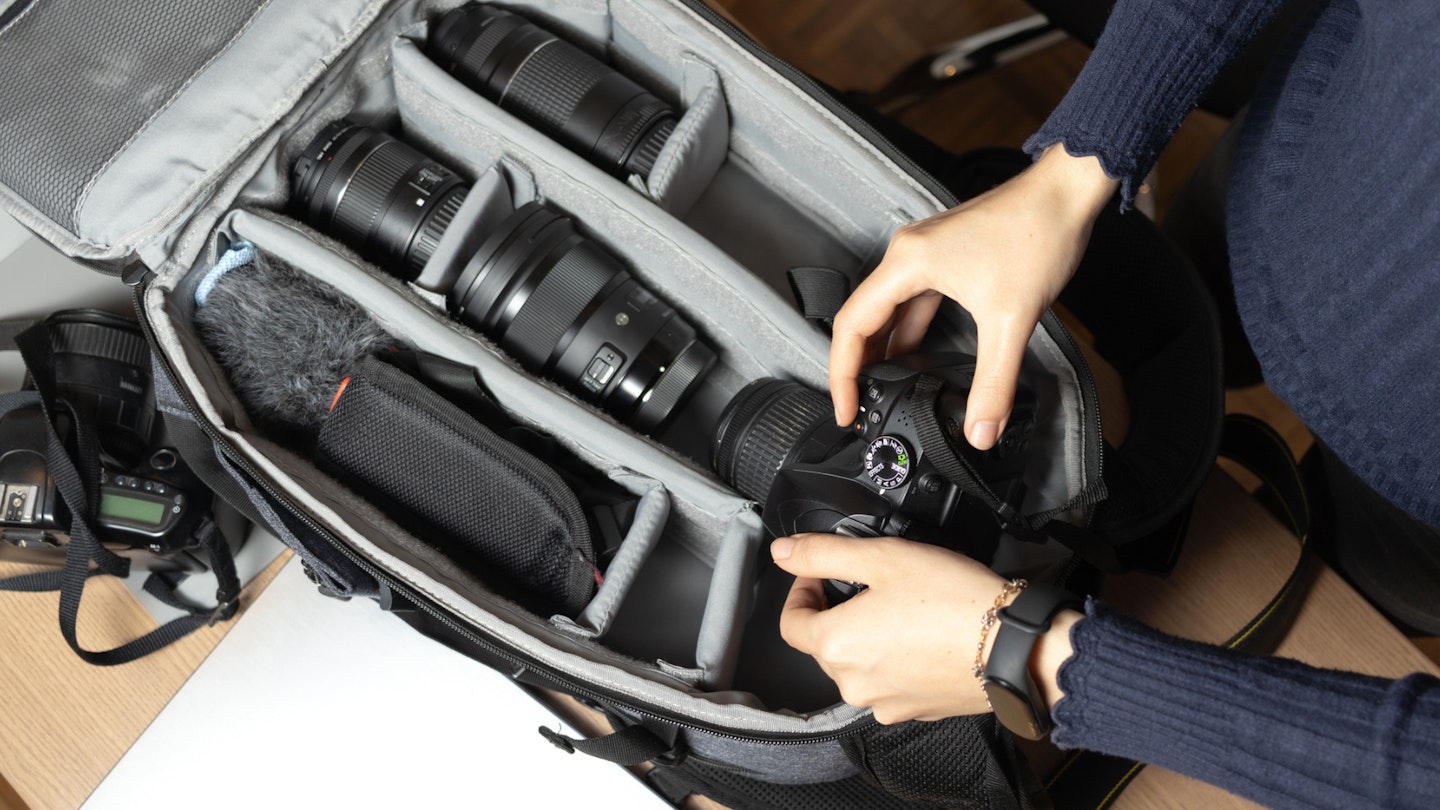
The night before the wedding is the perfect time to run through all of your kit to make sure it’s prepared and ready to be used. Make sure that batteries and battery packs are charged to capacity and then run through all of your lenses and double-check they’re clean and free of dust. All of the memory cards that you’ll be using on the day should be formatted and set-up your D-SLR so that it’s shooting in RAW format or RAW+JPEG. Pack all your kit in the usual places in your bag so you’ll know where to grab it from quickly when you need it.
The Big Day
Wedding days can be extremely long days, and you’ll find that you require a lot of energy and enthusiasm to get through it. Before you head out, make sure you have a hearty breakfast, as food may not be supplied at the wedding until much later. It’s not a bad idea to put a few high-energy snacks in your bags and some chocolate to give an energy boost. Taking on fluids is also important so pack an energy drink or take a bottle of water with you.
Getting through it
On the day of the wedding it’s unusual for everything to run as planned, so you’ll have to think on your feet at times and be prepared to change plans in the blink of an eye. Arrive at the venue an hour earlier than you had previously expected to get there. This will give you extra time to take a look around, get your kit out of the car, grab a coffee and settle down. Start off by taking a few detailed shots of the venue to get an idea of your exposures and flash settings and check that your camera is performing as it should be. Speak to the registrar before the ceremony and discuss the times when they’re happy for you to take shots and when you should hold back. Remember to keep your camera and kit close to you at all times to prevent it going walkabout and if there are times when you’re under extreme pressure, take a deep breath and be as calm as you can be. A wedding day is one of the most special days for the bride and groom, so try to get all the shots you’d planned for in the shortest time possible. Most importantly, enjoy yourself on the day and download the shots and create a copy of them as soon as you get home.
To give you some further inspiration, we’ve chosen some work from five wedding photographers. Take a look at their styles, shooting angles and group shots and take notes on the shots that you particularly like…
www.harrisonwhite.com
www.tomgold.co.uk
www.stevenbrooksphotographer.co.uk
www.bdweddingphotography.co.uk/gallery.htm
www.dpphotography.co.uk