Click Thumbnails to Enlarge

Using exposure lock

Techniques

24 October 2007 10:15

Shooting a subject against a light or dark background using multi-segment and centre-weighted metering modes will often give inaccurate results.

If the background is very bright for instance, the camera will underexpose; a dark background will potentially cause overexposure. While you can use the spot-metering mode to overcome this, it’s often far quicker to find a nearby midtone to meter from. Another alternative is to use the exposure lock facility.

First set the camera to any of the creative automatic exposure modes. Compose your shot so the subject fills the frame, eliminating as much of the background as possible (ie, move closer).

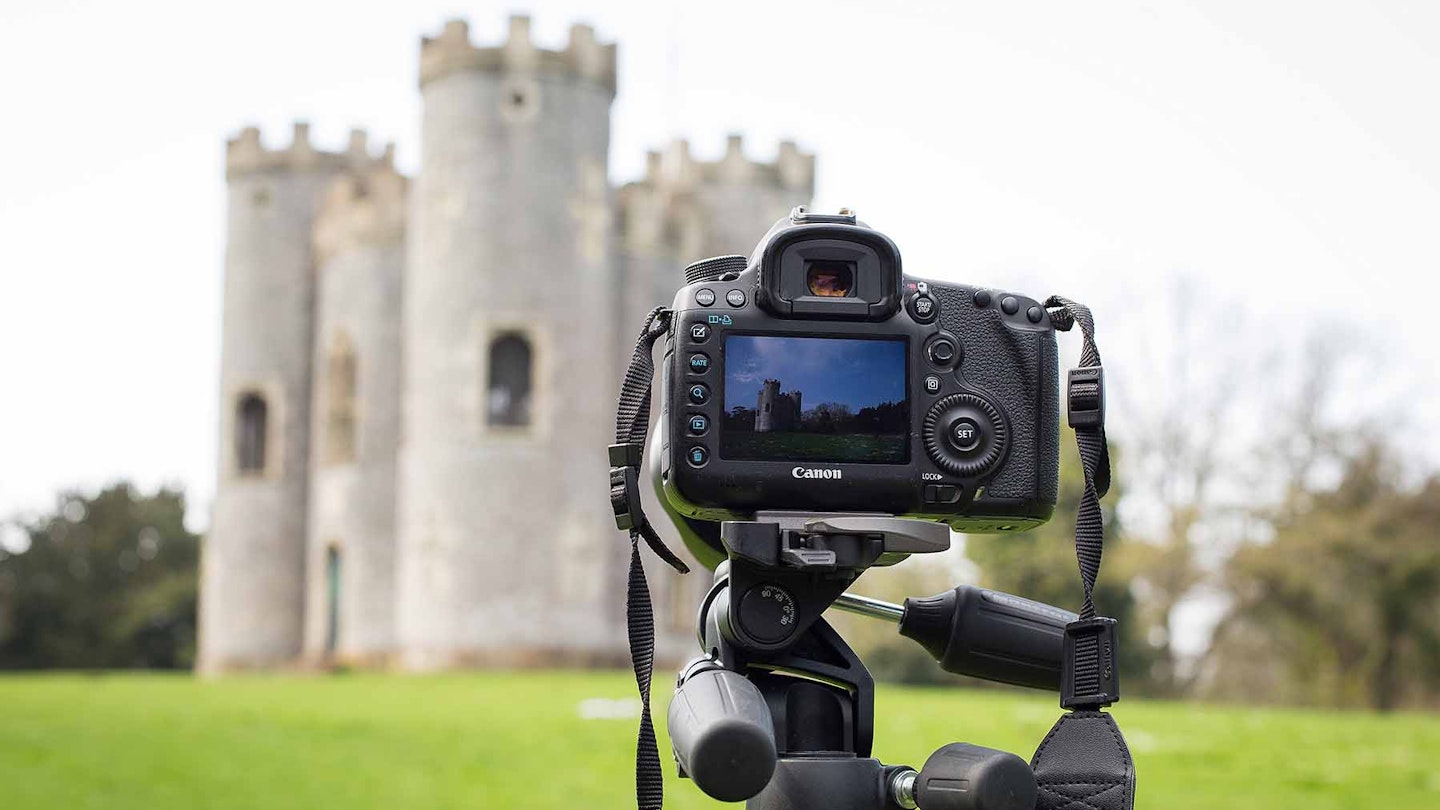
With the subject tightly framed, press the auto exposure lock button (usually AE-L). This will gauge the exposure for the main subject and lock it into the camera’s memory. (On Canon DSLRs, press the exposure lock button and release it to lock the exposure. On most other manufacturers’ DSLRs you need to hold the button in.)

You can now re-frame the image and take your picture. You’ll find that the background will be recorded as very dark or light, but the main subject should be correctly exposed

You can also increase or decrease the exposure to compensate for light or dark backgrounds using the exposure compensation button. This takes a little more practise than the exposure lock technique above, as you need to be able to assess how much exposure compensation is needed for different situations.

As a rough guide, if you’re shooting a subject with a white background, dial in +1 stop. For a subject against a dark background, try using –1 stop. To access the exposure compensation on most cameras you have to press a button marked +/- then turn the main input dial to alter the amount of compensation, measured in stops.