Click Thumbnails to Enlarge

Understanding metering modes

Techniques

24 October 2007 10:14

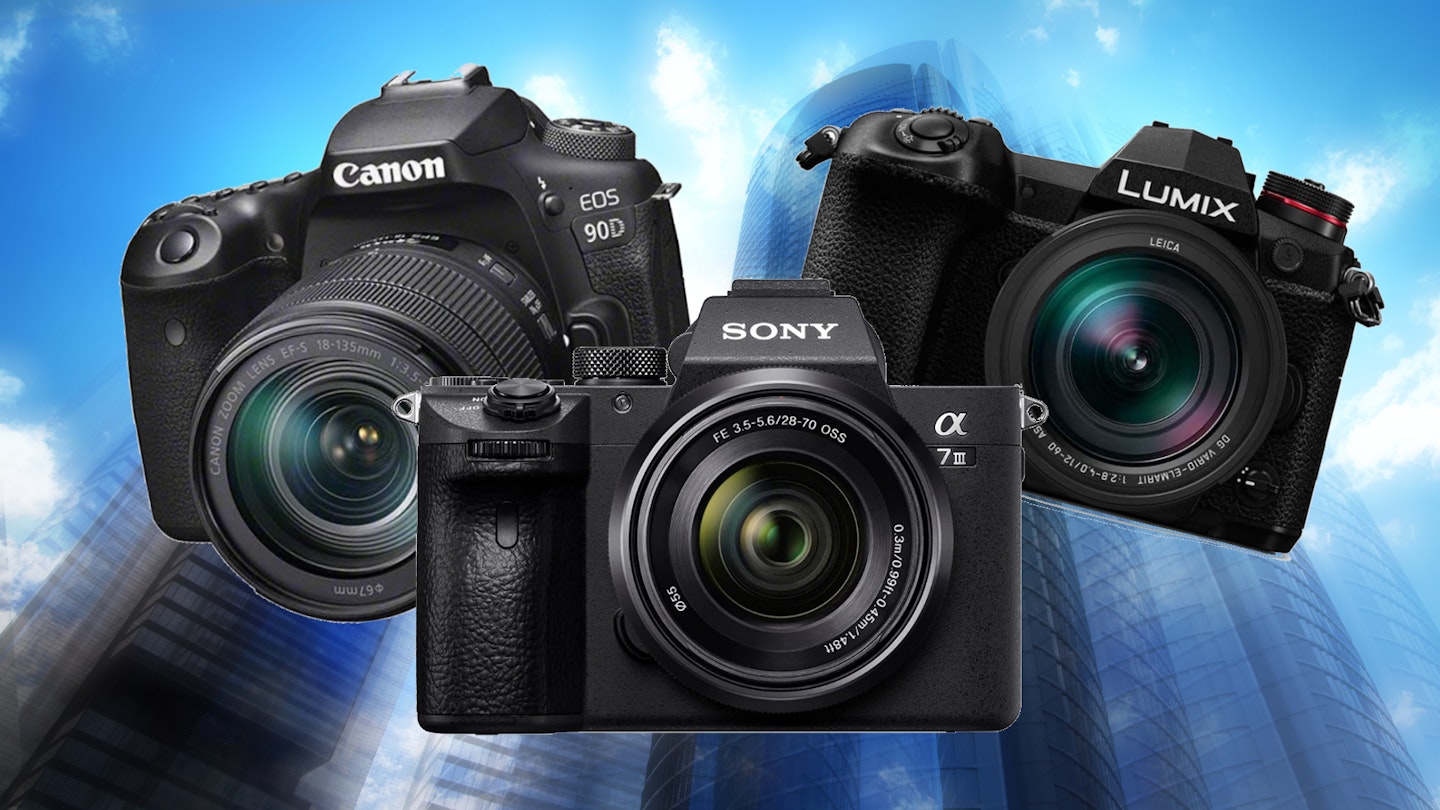
All DSLRs offer a range of metering modes to choose from, so it’s useful to know the differences between them and when to use them.

All metering modes base the readings they give on midtones.

• Multi-segment. This is the default mode on your DSLR. Canon calls it ‘Evaluative’ and Nikon’s is called ‘Matrix’ metering, but both operate in a similar way. It works by taking a number of readings from different areas of the frame and combining them to produce the best overall exposure. As these readings are taken from different areas of the frame, this metering mode can often recognise (and take account of) bright or dark backgrounds to give a more effective exposure than the simpler centre-weighted option.

• Centre-weighted.  This takes an average reading from across the whole frame, but biases the overall exposure toward the light reading from the centre of the frame than from the edges. This is fine for average scenes and where your subject is central, but bright or dark areas can easily fool the metering, especially if they’re close to the middle of the photograph.

• Spot-metering takes a reading from a tiny part of the image (around 2-3% of the frame), and assumes this point will be a midtone. If you point the camera at a highlight or shadow area, the meter will give the wrong overall exposure reading. Arguably this is the most accurate and reliable metering mode when you learn to use it effectively – comparing exposure readings for highlight and shadow areas, then working out the brightness range of the scene and adjusting the exposure to suit.

Some Canon DSLRs, such as the EOS 350D, don’t offer a spot-metering option. Instead they have a similar mode known as partial metering, which works just like spot-metering, but instead takes a reading from a larger area of the frame (around 9%), so is less precise.