Click Thumbnails to Enlarge

How to use colour

Techniques

18 May 2012 12:50

Being able to visualise how colours work together is key to getting successful combinations. The easiest way to do this is to use a device called a colour wheel, where all of the colours are positioned around the edge of a circle.

Colours opposite each other (known as contrasting colours) produce the most impact, while those next to each other produce more subtle, complimentary combinations.
The standard artists’ colour wheel uses the primary pigment colours red, yellow and blue. As photographers, we’ve used red, green and blue instead, as these are the most applicable to light. The difference between the two systems is of little significance, as the colours still work in the same way in the final image.

Some colours, such as blue and green, tend to recede into the background, while others, such as red and yellow, grab our attention much more readily. In nature you’re most likely to find green and blue background colours (foliage and the sky) which provide the perfect backdrop to make red, yellow and purple flowers stand out.

Using harmonious colours produces more subtle, restful images. Harmonious colours lie next to each other on the colour wheel, and they usually work well together because neither colour tends to dominate. Cooler colours such as blues and greens give the calmest, most restful images, while brighter, more dominant colours such as yellows and reds will give more vibrant combinations.

Due to the lower brightness range, it’s usually easier to get the right exposure for harmonious colours than with contrasting colours. Watch out for subjects that are generally darker or lighter than average. For example, if your frame is full of yellow the camera will underexpose, so increase exposure by +1/2 to +1 stop to compensate.

• Red/green: this classic combination of contrasting colours is also one of the most powerful. A simple green background is perfect for making red subjects dominate the frame. Green tends to produce calm-looking images, whereas red is one of the most vibrant colours, so the proportion of the two is key to the feeling of your final image. Try using more green, with the red flower taking only a small area.

• Purple/green: making purple flowers stand out in your shots can prove more difficult than with brighter colours such as yellow or red. Many purple flowers include an element of blue, so they tend to merge with darker backgrounds and can be recessive.

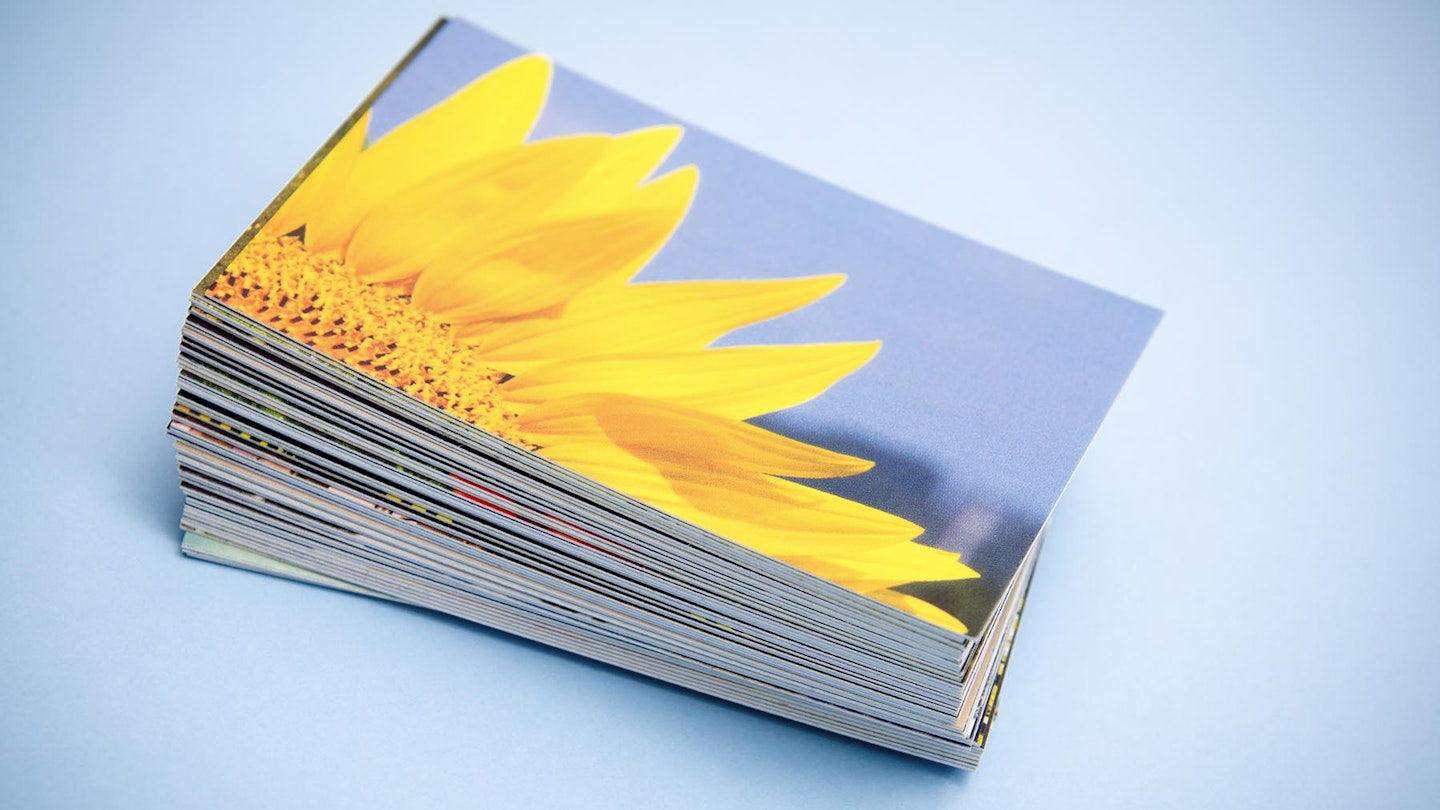
• Yellow/blue: positioned on opposite sides of the colour wheel, the combination of yellow and blue is particularly strong. Even the brightest blue tones recede into the background, making the most of the yellow flower. Position bright yellow flowers against a strong blue sky, and use a polarising filter to enhance the saturation of the sky.

• Green/blue: using two cool, recessive colours, such as green and blue, gives images a very calm, gentle feel. Although the colours here are very different they work together without appearing to create contrast.

• Yellow/green: despite the vibrancy of the many yellow blooms in this shot, without a strong contrasting colour tone in frame, the overall effect is harmonious.

Red/magenta: filling the frame with strong colours like red and magenta produces a more vibrant image. But the impact of individual hues is actually lessened compared to using contrasting colours, because the image is almost overloaded with colour.