Click Thumbnails to Enlarge
How to shoot fireworks
Techniques
24 October 2007 12:26
Fireworks aren’t just for bonfire night. These days there seems to be a firework display at almost every outdoor event, so why till November to photograph them?
Capturing the spectacle of a firework display is all about predicting when and where the most dramatic events are going to take place. Try to find out where the main display at your event will be taking place, and where the fireworks will be launched.
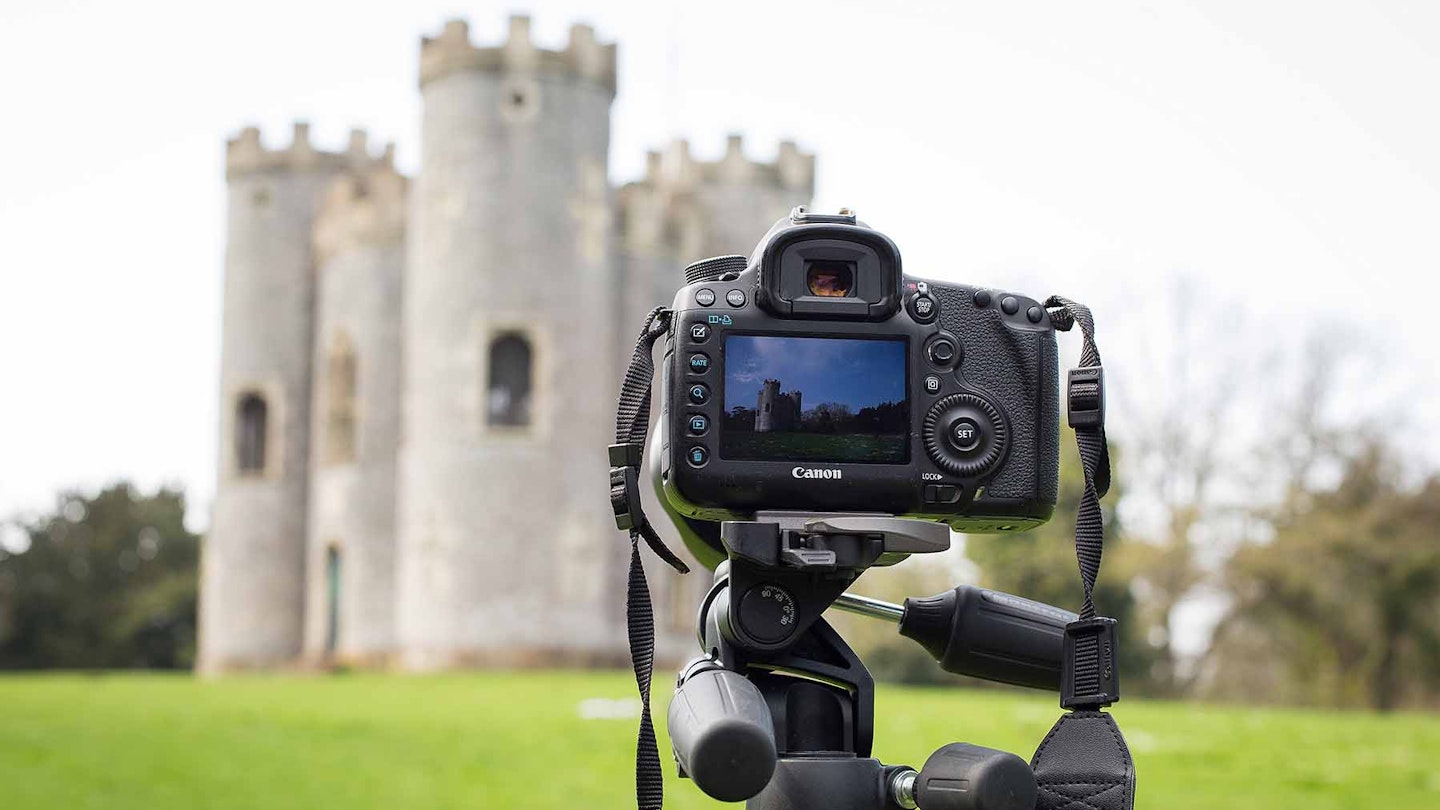
To capture the wider view at large public displays it’s often best to stand back out of the main crush. At popular events you’ll struggle to find enough room to set up your tripod – a necessity to shoot the display – and you’ll also often be too close to the action (which may occur overhead, out of frame). Far better to find a spot that gives you a viewpoint over the whole display, to allow you to capture as many of the individual fireworks as possible.
Look for a backdrop to enhance your composition. Floodlit buildings are great for giving a sense of place, while water can offer up amazing reflections showing colour and movement.
Trying to predict where the fireworks are going to explode can be tricky. Rockets can go hundreds of feet in the air before they create their light show. The wide-angle end of a standard zoom will give a broad enough view for most displays, but it’s worth taking along a wider lens just in case the rockets go much higher.
While the results can be pretty hit or miss, this unpredictability can lead to some great results. Don’t expect every shot to be a winner and make sure you shoot plenty!
If there’s a bonfire or floodlights nearby, why not include the light from this to give your shots an extra glow? Bright subjects like bonfires can lead to tricky exposure times, so experiment with shutter speeds and aperture settings. As a guide, we used 30 seconds at f/16 for this shot with most of the bonfire hidden behind the trees. If you can see the flames in your image you’ll need to use a faster shutter speed to ensure you don’t overexpose the fire.
If the bursts of fireworks are few and far between, even using a 30-second exposure can give disappointing results. Using a longer shutter speed can lead to overexposure, with the sky and surroundings being recorded too brightly. To overcome these problems, the best technique is to lock the camera’s shutter open on the B setting (or simply set it to your longest exposure length, say 30 seconds) and hold a piece of black card over the lens between firework explosions. This way you can capture many more bursts in a single frame without risking overexposure. The camera will only record the action when the lens is uncovered.
Make sure you don’t touch or knock the camera during your exposure, and try to keep track of the length of time the lens is uncovered, so it adds up to less than 30 seconds. The fireworks won’t stand out as well if the sky is too light.