Freeze water droplets in action
Techniques
24 October 2007 12:56
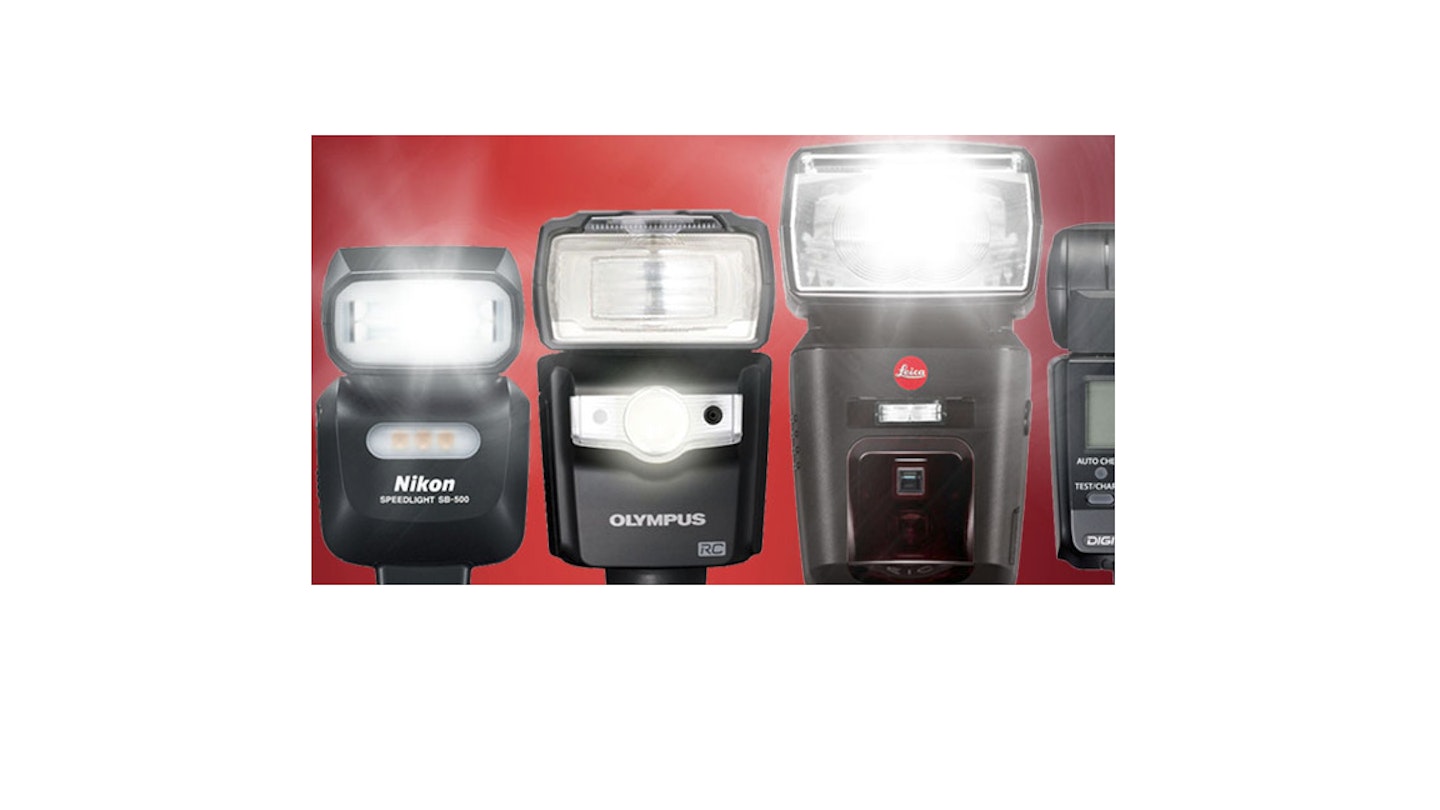
The light given out by a flashgun lasts for a tiny fraction of a second, allowing you to freeze action that would otherwise be impossible to capture by simply using a fast shutter speed.
This ability to capture a world that’s invisible to the eye has been used by scientific and technical photographers for decades. While the array of special triggers and sensors that make up most of their set-ups are beyond the budget of most people, with a little ingenuity and practise you can use similar techniques to create stunning, eye-catching images to amaze your friends.
All you need is your camera, a flashgun, a glass, a few pieces of card and a little patience, and you can discover a world where water takes on a whole new appearance.
As no two droplets are ever the same, even with practice the results will be variable at best. So it pays to shoot plenty of images, and delete the inevitable failures afterwards. Don’t rely on the camera’s LCD viewing screen though, as the difference between failure and success can be difficult to judge on the screen.
Here’s how to do it:
1. Choose a piece of card as a backdrop. We used blue card behind and red card under the glass (reflected in the surface of the water) to provide a colour contrast.
2. Fill the glass. We used a plain glass to ensure that there weren’t any distracting patterns in our shot. Fill it right to the top, so it appears as if there’s nothing between you and the water. (This is why we placed a dish under the glass, to catch the overflow.)
3. Position the camera. To disguise the fact that the water is in a glass, you need to carefully position the camera so it’s level with the surface of the water. A macro lens set to manual focus will allow you to fill the frame with the droplets, but don’t frame too tightly, as you can’t be sure where the drops will fall.
4. Set up the flash. We positioned our unit slightly to one side of the subject to minimise the chance of seeing reflections from the water and glass. Many flashguns offer a multiple flash or strobe effect that will fire the flash several times during the exposure. We set our flash to ten flashes-per-second and selected it to fire four times. The camera was set to manual exposure, using a shutter speed of 1/2sec at f/16.
5. Create the droplets. We used a small eye-dropper (99p) and tried to achieve a steady and even fall of drops. It pays to practise this bit before you start shooting, as it takes time to get to know exactly when the drops will fall.