How to choose your first DSLR

By HangTen

Photopedia

02 December 2007 21:52

Here's a guide to buying your first DSLR from regular forum user, Hangten. If you want to submit your own news, reviews or advice, you can do so by clicking here or on the link at the bottom of most articles.

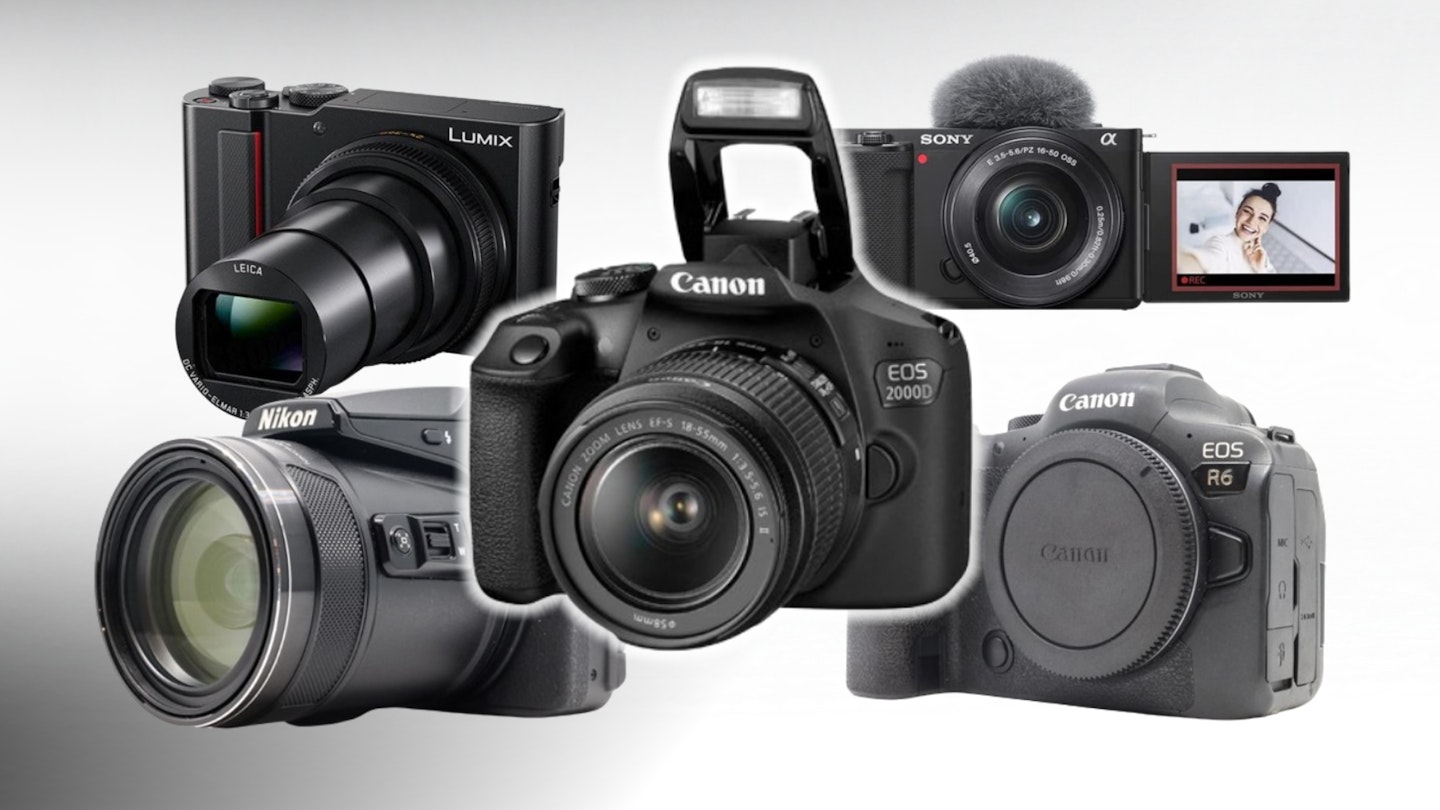
From reading postings on various photography forums, I’ve noticed that there is a recurrent theme of novices asking which (DSLR) camera they should buy … a Nikon Dxx or a Canon yyyD or very occasionally a Sony/Pentax/Olympus whatever. With a few exceptions, novices are seduced by the camera makers’ marketing hype, specifications of mega-pixel count and lists of features that they don’t understand and are never likely to use. Little thought is given to the lens; so they then purchase an expensive “nicansonaxus”, along with the maker’s ‘kit’ lens at the cheapest price they can find on the net, never having handled the camera until it’s delivered by the courier.

Following a brief ‘honeymoon’ period with the novelty and excitement of a ‘new toy’, the rose-tinted spectacles come off and they begin to wonder why their several hundreds of pounds worth of all-singing all-dancing wonder camera isn’t producing images of the same quality as they see in the magazines. Compare this with experienced photographers who will happily use a tried and trusted work-horse of a camera that they feel comfortable with, but who will go dewy-eyed at the prospect of getting hold of a new, super-fast, ultra-high resolution lens with Silent-Wave/USM, high-quality ED glass, internal focussing, IS/VR etc.

So, as a novice, which camera should you buy? Well, if you follow a few simple steps, hopefully you will end up with a camera system that you’re happy with and is capable of producing decent quality images:

1. Decide your overall budget, allocating a substantial proportion for lenses, and remember to include a proportion for extras – e.g. memory cards, spare batteries, filters, tripod and a decent bag to hold it all – this can easily amount to 20% of the budget for a ‘starter’ kit.

2. Decide on the type of photography you intend to concentrate on - this will indicate the camera features/specifications and range of lenses you’re likely to need – i.e.:

a. For landscapes/seascapes/buildings, a ‘slow’ camera (in terms of ‘frame rate’) will be fine, but you’ll probably need a decent wide-angle lens, a good tripod and maybe neutral density (ND) graduated filters and a polariser

b. For macro work, again a ‘slow’ camera, a good dedicated macro prime lens and a decent tripod

c. For fast action – e.g. motor sport, air displays etc., then you’ll probably need a ‘fast’ camera with a high frame rate and a good tele-zoom lens (something like a 70-300 or 100-400 on a DSLR), and maybe a monopod rather than a tripod.

d. For sport, same as for fast action, with the addition of good high ISO performance.

e. For wildlife, birds (feathered variety!) etc., then a ‘slow’ camera should be OK (unless you want to rattle off dozens of shots with the intention of selecting a specific pose from the sequence), but you’ll need a good solid tripod and decent telephoto lens

f. For portraits, again a ‘slow’ camera and a lens of around 70-90 mm, a prime will give the ultimate quality, but a zoom that falls somewhere in this range will be fine – e.g. 18-70, used at the ‘long’ 70mm end or a 70-300 at the ‘short’ end would both do. Remember though, that if you want to concentrate on portraiture, then you’ll need to budget for lighting kit, reflectors etc. g. For any other specific situations, ask for advice on the forum!

3. Make a list of the features and specifications that you actually need, then do your homework – research which cameras fit your requirements and budget, read the reviews in the magazines and on the web and arrive at a shortlist of maybe three camera models from different manufacturers.

4. Armed with your shortlist, go to a good (preferably independent) camera shop and ask to handle the models you’re interested in – if they haven’t got a particular model in stock, get them to order it so that you can compare them side-by side – any decent shop will be willing to do this.

5. Now the important bit – choose the camera that feels right, sits comfortably in your hands and whose controls fall readily to hand – trust your instincts – if it doesn’t feel right, you’ll struggle to get good pictures with it. Now my personal recommendation – buy from the shop that’s helped you – by all means negotiate the price down by quoting internet prices, but be prepared to pay around 10% more than you would on the net – in my opinion it’s well worth it for the simple reason that if something goes wrong you can walk back in and get something done about it there and then. Additionally, you’ll be supporting your local photographic retail specialist and these days they need all the support they can get – if they go down the pan, there’ll be nowhere to ‘try before you buy’.

Furthermore, ignore anyone who tries to tell you that this make is best or that make is better – those people are biased because they own one of that brand and brand loyalty among photographers is very strong. All the makers of current DSLR’s produce fine cameras, any of which are capable of producing decent pictures in the right hands. Finally, remember that regardless of how much you spend on a camera, it’s only a tool to capture an image – it’s the photographer holding it who creates a picture – in the words of Ansel Adams, "The single most important component of a camera is the twelve inches behind it."