Skip to content

Advice

Your search has revealed the items listed below. Not what you were looking for? Try narrowing down your search using the categories on the left or the matchbox below.

You looked for...

and found 102 items

Search Results

Matches found in Advice

Featured item image

Fringeing in Elements

rating is 0

Anonymous, 18 August 2010 15:25

Fringeing, or Chromatic aberration occurs with some zoom lenses. It happens because the red, green and blue light that makes up a colour image has slightly different wavelengths, and this means the different colours focus at different distances. Correcting the optics within a lens to account for this is fairly straight forward in fixed focal length (prime) lenses, but it’s ...

Results 1 - 10 of 102

Leading article image

Fringeing in Elements

rating is 0

Anonymous, 18 August 2010 15:25

Fringeing, or Chromatic aberration occurs with some zoom lenses. It happens because the red, green and blue light that makes up a colour image has slightly different wavelengths, and this means the different colours focus at different distances. Correcting the optics within a lens to account for this is fairly straight forward in fixed focal length (prime) lenses, but it’s ...

Leading article image

Lomography

rating is 0

Anonymous, 07 July 2010 10:48

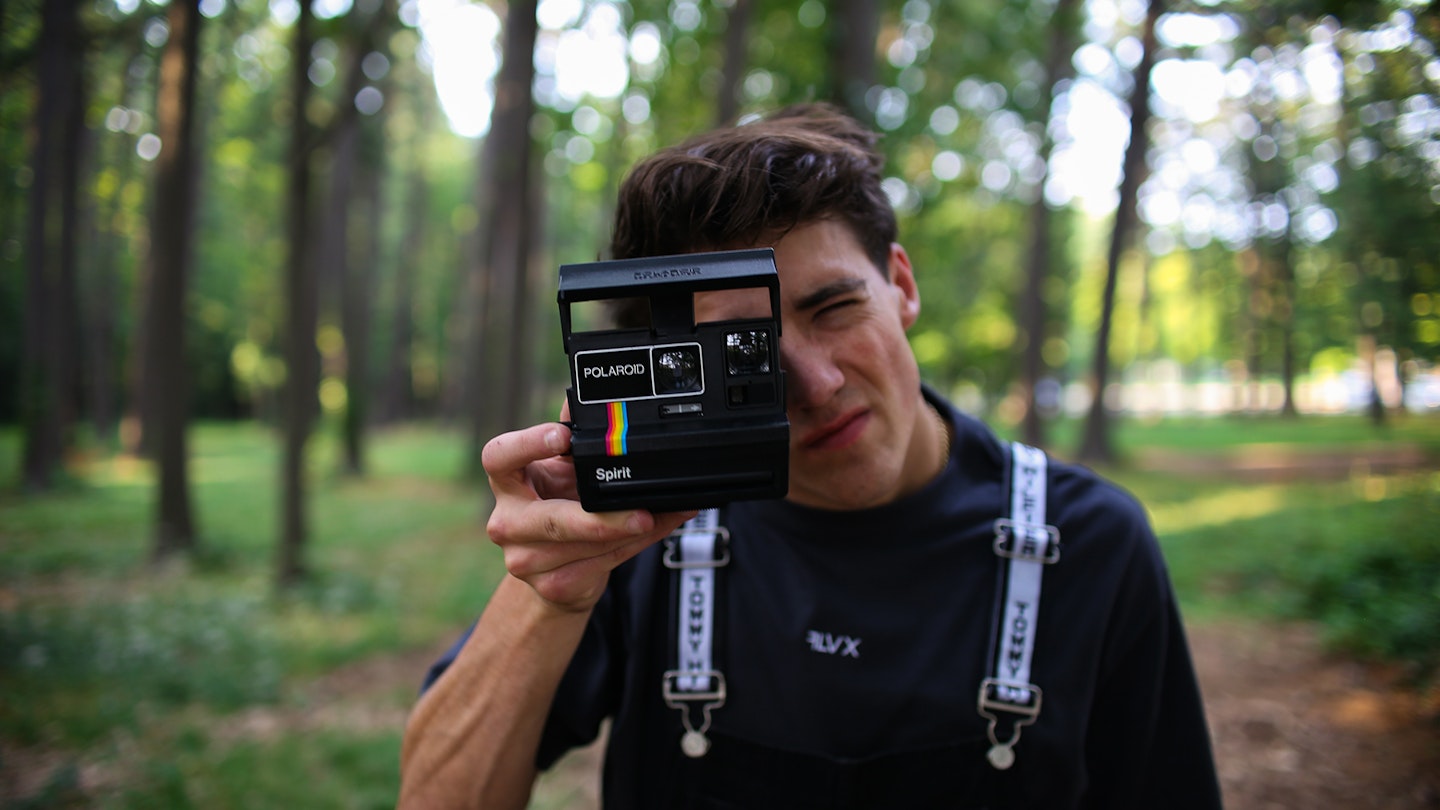
Lomography is a term often used to describe the use of lo-fi film cameras, such as the Lomo LC-A, Diana and Holga. These inexpensive and cheaply made cameras are often made with built in lenses, such as fisheyes and produce inconsistent and unpredicatable results, which when paired with unusual film processing can produce interesting and experimental results. "Lomo style" images ...

Leading article image

Interpolation

rating is 0

Anonymous, 31 July 2009 11:18

Interpolation is another name given to the process of image resampling. There are five methods that can be used for calculating the best route for resizing an image – Nearest Neighbor, Bilinear, Bicubic, Bicubic Smoother and Bicubic Sharper. All the Interpolation options are found inside the Image Size Dialog box from the drop-down list. A close-up view of the options ...

Leading article image

Step Interpolation

rating is 0

Anonymous, 31 July 2009 11:07

Step Interpolation is a completely different way of increasing the size of your images. Rather than using one of the five Interpolation options from inside the Image Size Dialog box, the step interpolation method involves gradually increasing image size by small percentages. The percentage that’s usually settled for is 10%. Step Interpolation isn’t always the best means of interpolation, as ...

Leading article image

Paths

rating is 0

Anonymous, 31 March 2009 16:59

Paths are created when using Photoshop’s Pen Tool. They are very simply vector-based line drawings that can be stretched and shaped around any subject with the use of Anchor points. Anchor points appear on screen as small grey squares and if you’re looking to make a Path around a specific subject, it’s these anchor points that should be positioned around ...

Leading article image

Top-plate

rating is 0

Anonymous, 21 November 2008 12:45

If you hold your camera in both hands and look vertically down on top of it you’ll be looking at the top-plate. On a standard D-SLR you’ll find a LCD screen, pop up flash and mode dial on the top-plate. Layout varies from camera to camera and manufacturers often place commonly used buttons like White Balance, ISO and AF, on ...

Leading article image

Lith

rating is 0

Anonymous, 13 November 2008 12:57

Lith is a type of extremely high contrast, fine-detail black and white negative film used in the chemical darkroom and printing/graphics industries to create half-tone images and copy line work. It can also be used to add pinkish brown tones in highlights, and a film-grain effect in the shadows in mono images. Lith has such a distinctive look that it’s ...

Get started in Landscapes

  • Advice
  • Techniques
  • 12 November 2008
Leading article image

Point and shoot

rating is 0

Anonymous, 29 October 2008 15:48

The term point and shoot refers to a camera that has limited user controls and is mostly automatic. Point and shoot is a name given to compact cameras because they don’t have manual controls that you would find on a SLR. However many SLRs still have a point and shoot or fully automatic mode.

Leading article image

Recycle time

rating is 0

Anonymous, 29 October 2008 15:38

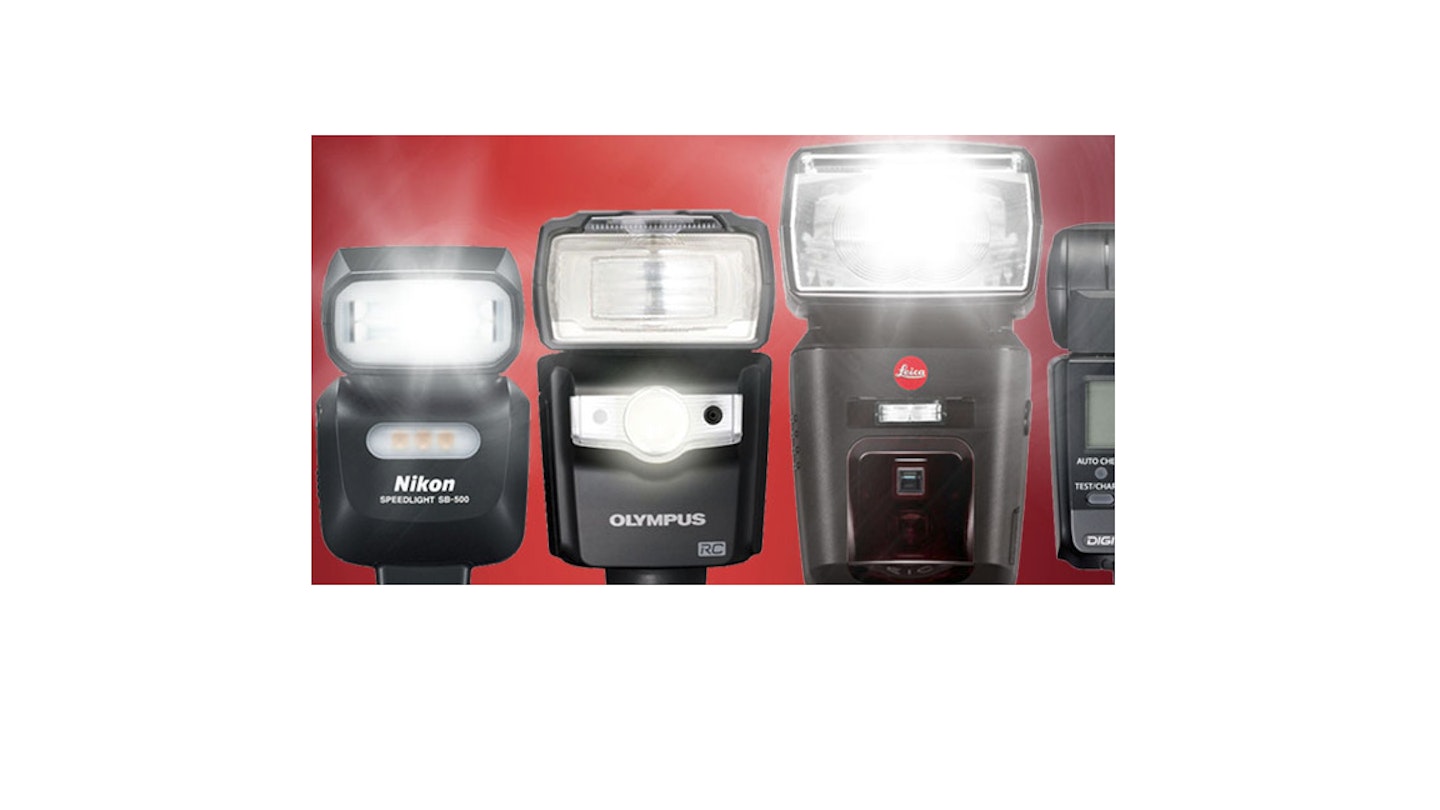
The recycle time is the time taken to store a captured image on a digital camera. The faster the recycle time the more frames per second a camera can take. Recycle time can also refer to the time taken to recharge the flash.

Results